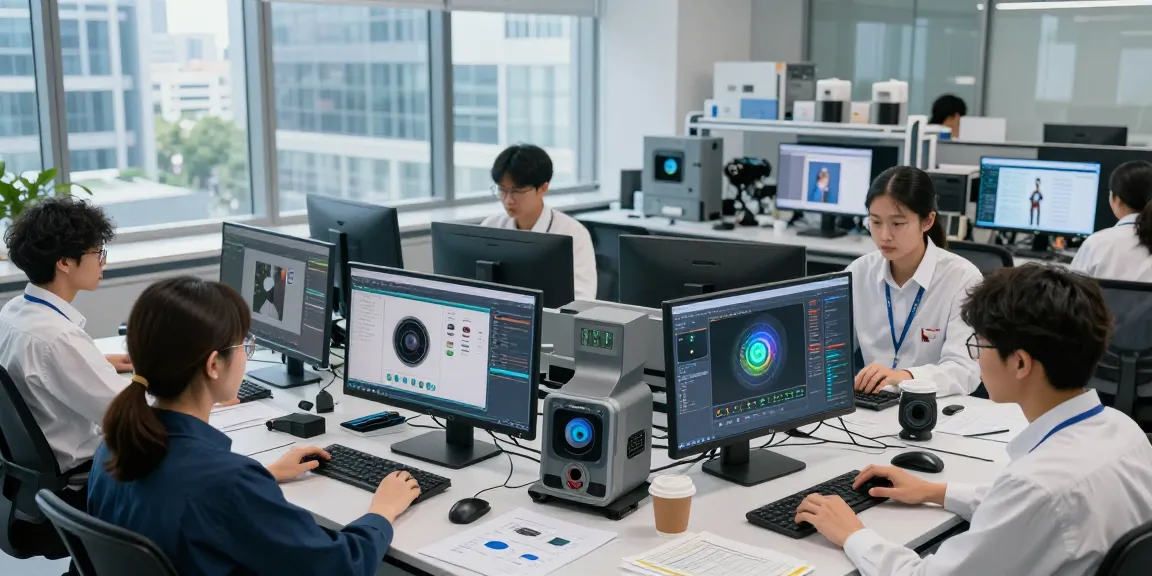
Understanding AI Image Detection Technology
In a world increasingly dominated by digital content, the need to discern between authentic and artificially generated images has never been more critical. The rise of artificial intelligence (AI) has revolutionized the way we create and manipulate images, leading to the proliferation of AI-generated visuals. As this technology advances, tools like the ai image detector have become essential for both individuals and organizations aiming to verify the authenticity of images. This article delves into the intricacies of AI image detection, how it operates, and its implications across various sectors.
What is an AI Image Detector?
An AI image detector is a specialized tool designed to identify whether an image has been created or altered by artificial intelligence. These detectors use advanced algorithms to analyze various characteristics of an image, including patterns, artifacts, and metadata that can be indicative of AI involvement. For instance, they can differentiate between photos captured by cameras and those generated by AI tools like DALL·E or Midjourney. This capability is critical in an age where misinformation and deepfakes are rampant.
How AI Image Detection Works
The functioning of an AI image detector revolves around several key processes:
- Pattern Recognition: AI detectors scan images for recurring patterns or anomalies that are typical of AI-generated content.
- Metadata Analysis: Many images carry metadata that indicates their creation source. Detectors examine this data for clues regarding image authenticity.
- Probability Scoring: Advanced AI image detectors provide a probability score indicating the likelihood that the image is AI-generated, enhancing user confidence in the results.
This multi-faceted approach ensures that users receive accurate and reliable results when verifying images.
Key Benefits of Utilizing AI Image Detectors
The adoption of AI image detectors presents numerous advantages:
- Enhanced Authenticity Verification: These tools provide users with a reliable means to verify the authenticity of images, which is vital in journalism and media.
- Time Efficiency: Automated detection processes significantly reduce the time needed for manual verification, allowing for quicker decisions.
- Fraud Prevention: By identifying AI-generated images, businesses can mitigate risks associated with image fraud and misinformation.
Common Misconceptions About AI Image Detectors
Are AI Image Detectors Always Accurate?
One common misconception is that AI image detectors are foolproof. While they utilize sophisticated algorithms and data analysis techniques, their accuracy can vary depending on the complexity of the AI that generated the image. It is essential for users to understand that no detector can guarantee 100% accuracy.
Do All Image Formats Get Supported?
Another myth is that AI image detectors support every image format. Most detectors, including popular options, support a range of formats such as JPG, PNG, WebP, and GIF. However, users should always check the specific capabilities of their chosen detector, as some tools may have limitations regarding format compatibility.
Understanding Limitations and Challenges
AI image detectors face several limitations and challenges:
- Adapting to New AI Technologies: As AI generation techniques evolve, so must the detection tools to keep pace with these advancements.
- Variety in AI Tools: Different AI image generators operate using distinct methodologies, making it challenging to create a one-size-fits-all detection approach.
- Human Intervention: While automated tools are efficient, human verification remains essential, especially in high-stakes situations where the authenticity of an image may be critical.
Practical Applications of AI Image Detection
Use Cases in Media and Journalism
In media and journalism, the integrity of visual content is paramount. AI image detection tools play a vital role in ensuring that images used in news stories and reports are authentic and not AI-generated. This helps maintain public trust and uphold journalistic standards.
Applications in Copyright Protection
Copyright infringement is a significant issue in the digital age, and AI image detection can assist artists, photographers, and content creators in protecting their work. By verifying the source of images, creators can take appropriate action against unauthorized use and potential plagiarism.
AI Image Detection in Education and Research
Academic institutions are also leveraging AI image detection technology to maintain academic integrity. Educators can ensure that students submit original work and do not resort to using AI-generated images in their assignments. This fosters a culture of originality and critical thinking.
Best Practices for Using AI Image Detectors
How to Upload Images for Effective Analysis
For optimal results, users should adhere to best practices when uploading images to AI detectors:
- Ensure the image is clear and free from obstructions.
- Use recommended format types to guarantee compatibility.
- Avoid excessive compression, as it may impact detection accuracy.
Interpreting Detection Results and Statistics
Understanding the output from an AI image detector is crucial. Users should familiarize themselves with the meaning of percentage scores and confidence levels provided by the tool. A higher percentage likelihood generally indicates stronger evidence that an image is AI-generated, but it should be considered in context.
Ensuring Data Privacy and Security
Before uploading sensitive images, users must consider data privacy. Ensure the AI image detector has a robust privacy policy and does not store or misuse uploaded data. This step is particularly important for businesses handling confidential information.
Future of AI Image Detection: Trends to Watch in 2026
Emerging Technologies in AI Image Detection
The future of AI image detection is poised for significant advancements. Researchers are working on improving detection algorithms that can adapt to the rapid evolution of AI-generated content. This includes the integration of machine learning techniques that allow detectors to learn from new data and enhance their accuracy over time.
Predictions for Accuracy and Reliability
As detection technologies evolve, we can anticipate higher accuracy rates. By 2026, AI image detectors will likely incorporate advanced neural networks that can analyze images with deeper contextual understanding, thus improving reliability and performance.
Impact of AI Regulations on Image Detection Tools
With increasing regulatory scrutiny surrounding AI technologies, the landscape of AI image detection may also change. New regulations could dictate how these tools operate, ensuring that they prioritize user privacy and ethical considerations in their analysis.
What are the limitations of AI image detectors?
While AI image detectors are invaluable tools, they come with inherent limitations, including dependency on training data, variations in algorithm effectiveness, and challenges in distinguishing subtle alterations made by sophisticated AI models. Users must remain informed about these limitations to use the technology effectively.
How does accuracy vary between different AI image detectors?
Accuracy can differ significantly among AI image detectors based on their underlying algorithms and the data sets used for training. Users may want to compare multiple tools to identify which one provides the most reliable results for their specific needs.
Can I use AI image detectors for free?
Many AI image detectors offer free access, but they may come with limitations on usage or features. Users seeking unlimited checks or advanced capabilities might need to consider premium options.
Are there risks associated with uploading images?
Yes, there are potential risks when uploading images to detection tools. Users need to be cautious about the privacy of the content they share, especially if the images are sensitive or contain personal data. Always review the terms of service and privacy policies before using these tools.
What industries benefit most from AI image detection?
Several industries can benefit from AI image detection, including journalism, advertising, education, legal services, and creative industries. Each sector can leverage these tools to ensure content authenticity and combat misinformation.