Understanding the Concept of Facial Age
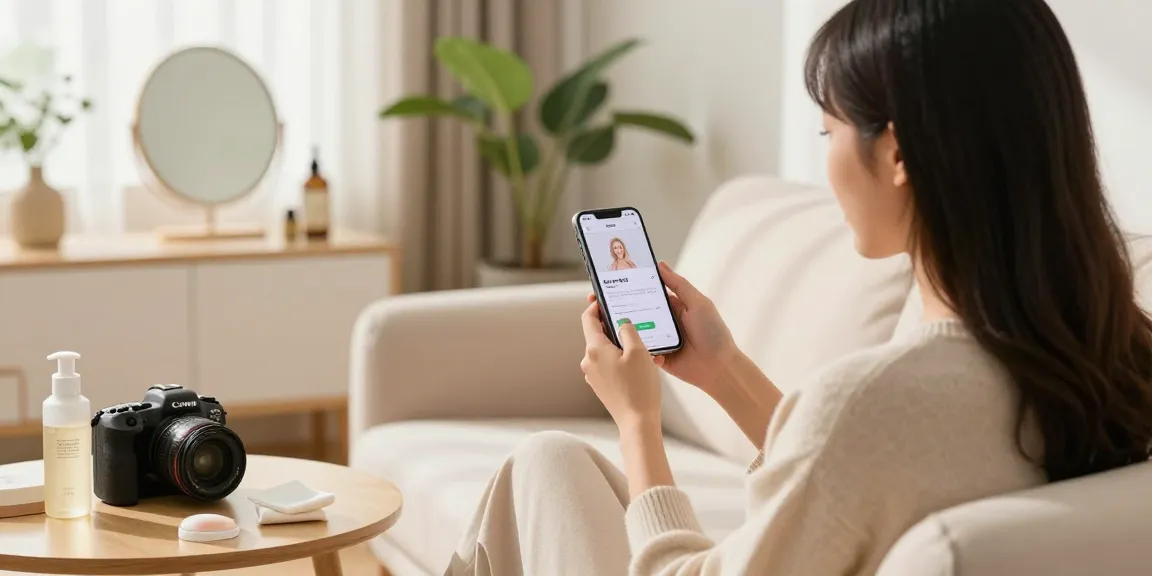
Understanding one’s perceived age can be a fascinating yet complex concept. The phrase “how old do I look” often reflects not just physical attributes but also societal perceptions and psychological impacts. Many people wonder if they look older or younger than their actual age, seeking validation or support for their self-image. This introspection has led to the increasing popularity of online and app-based age estimators, which promise to analyze facial features and provide an estimate of how old users appear. For those curious about how to assess their perceived age, how old do I look offers an engaging way to explore this aspect of personal identity.
What Does it Mean to Look Your Age?
“Looking your age” is often tied to societal norms and expectations regarding physical appearance. Factors such as skin quality, hair color, and overall health can dramatically influence how others perceive our age. However, cultural differences also play a significant role. In some cultures, aging is revered, emphasizing wisdom and experience, while in others, youthful looks are more highly valued, leading to different standards of beauty and aging.
The Science Behind Facial Aging
Facial aging is a natural process influenced by numerous factors, including genetics, environmental exposure, and lifestyle choices. Scientifically, aging affects how skin elasticity changes and how facial bones and fat distribution evolve over time. Understanding these physiological changes helps to explain why some individuals may appear younger or older than their chronological age. Advanced imaging technologies and AI tools now analyze these changes and provide users with age estimates based on facial features.
How Perception of Age Affects Self-Image
The way people perceive their age can significantly affect their self-esteem. Studies have shown that individuals who feel younger than their actual age often exhibit more confidence and engage more actively in social situations. Conversely, those who believe they look older may experience anxiety regarding their appearance and may engage in behaviors to try to combat the signs of aging, such as cosmetic procedures or aggressive skincare regimens.
Popular Methods for Age Estimation
AI Technology and How It Works
Artificial Intelligence has revolutionized many aspects of our lives, including how we perceive age through facial analysis. These applications use complex algorithms to estimate perceived age, analyzing various facial markers such as wrinkles, skin texture, and facial symmetry. By comparing these features against massive databases of facial images with established age benchmarks, these tools provide users with instant feedback that can be both amusing and informative.
Comparative Analysis of Online Tools
There are several online tools available for users interested in estimating their perceived age. Websites such as FaceAge.ai and apps like BeautyPlus utilize AI technology to offer users an immediate age estimation. What sets each platform apart are the user experiences and the additional features offered, such as skincare tips or personalized recommendations, making some tools more appealing than others based on user needs and interests.
Limitations and Accuracy of Age Guessing Applications
While AI-powered age estimators are popular, their accuracy can vary significantly. Factors such as lighting conditions in photos, facial expressions, and image quality can all impact the results. Moreover, these applications may not account for individual differences in skin tone and texture, leading to skewed perceptions. Users should view these estimates as fun interactions rather than definitive assessments of their age.
Practical Tips for Realistic Age Assessment
Factors Influencing Facial Appearance
Several factors can significantly influence how old someone appears, including genetics, sun exposure, lifestyle choices like diet and exercise, and skincare habits. Understanding these elements can help individuals take proactive steps in maintaining a youthful appearance.
Common Misconceptions About Age Appearance
It is essential to debunk myths surrounding age appearance. For instance, many believe that only high-end skincare products can help achieve a youthful look, while in reality, hydration, regular sun protection, and sufficient sleep play critical roles in maintaining skin health.
How Lifestyle Choices Affect How Old You Look
Your daily habits can have an enormous impact on your facial appearance. Regular exercise helps improve circulation and promotes healthy skin, while a balanced diet rich in antioxidants can combat oxidative stress that leads to aging. Additionally, avoiding smoking and excessive alcohol consumption can drastically reduce the visible signs of aging.
Embracing Your Unique Look
Building Confidence Regardless of Age
Confidence can stem from self-acceptance and understanding that aging is a natural process. Embracing one's unique features, regardless of societal norms or expectations, can lead to a healthier self-image. Celebrating individual traits and finding joy in them fosters a more positive outlook.
Enhancing Natural Beauty at Any Age
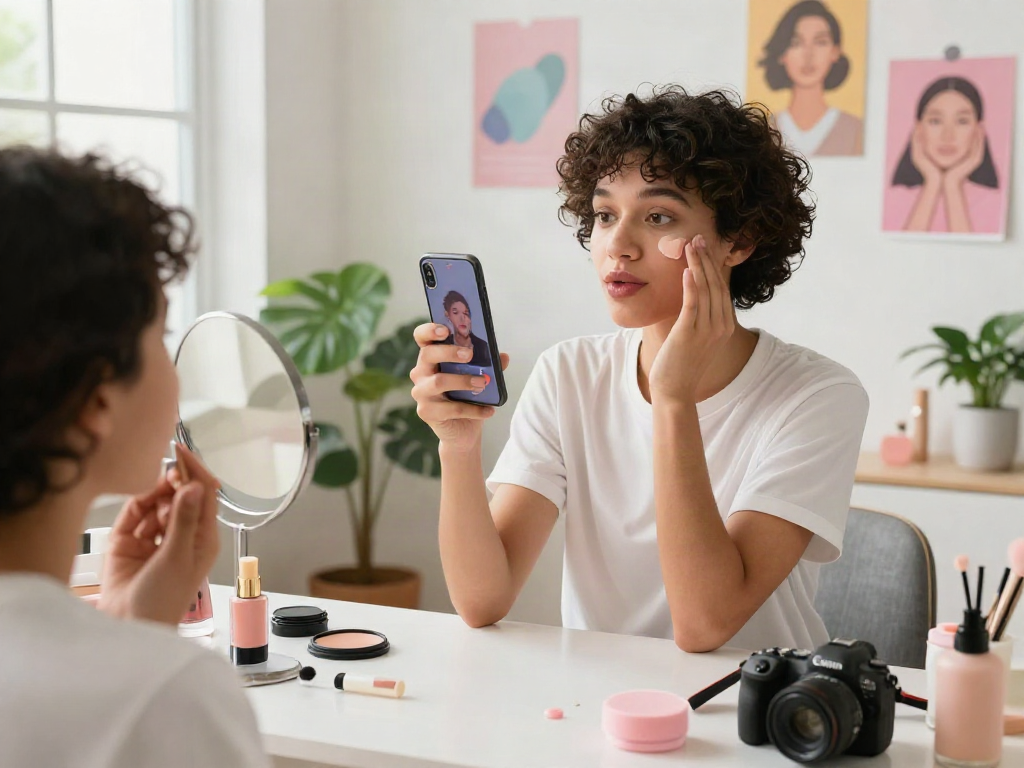
Rather than focusing solely on anti-aging strategies, individuals should consider approaches that enhance their natural beauty. This includes adopting a skincare routine that caters to specific needs while also celebrating what makes each person unique, whether that be a beautiful smile or expressive eyes.
Celebrating Authentic Self-Expression
As society becomes more accepting of diverse forms of beauty, individuals are encouraged to express their authentic selves. Whether through fashion, makeup, or personal style, embracing unique forms of self-expression allows individuals to feel confident and attractive at any age.
Future Trends in Age Estimation Technology
AI Advancements Shaping the Beauty Industry
Future advancements in AI technology promise even more accurate age estimations, with improvements in image recognition and analysis. As algorithms evolve, we can expect real-time age assessments that can help in personalized skincare and beauty regimen planning.
Consumer Trends Towards Personalization in Skincare
As consumers become increasingly aware of the importance of individual skincare routines, personalized products will gain traction. Tools that provide suggestions tailored to a person's skin type and concerns will become essential in effective skincare management.
The Role of Community and Social Media in Age Perception
Social media continues to play an influential role in shaping perceptions of age and beauty. Platforms like Instagram can both inspire and challenge conventional standards. Building a community that celebrates all ages and encourages authenticity can foster a more inclusive perspective on aging.
What methods can I use to find out how old I look?
There are various methods available for individuals curious about their perceived age. Online tools, mobile applications, and even professional dermatological consultations can provide insights into how old you look based on facial analysis.
How accurate are online age estimators?
Online age estimators vary in accuracy, heavily dependent on the underlying algorithms and data sets used. While they can provide a fun estimate, users should approach them with an understanding that these results are not definitive.
Does appearance correlate with actual age?
Appearance does not always correlate directly with chronological age, as factors like genetics, lifestyle, and health can significantly alter how someone looks. Many individuals maintain a youthful appearance well into their later years, and vice versa.
What lifestyle factors influence how old I look?
Lifestyle choices such as nutrition, hydration, smoking, alcohol consumption, and sun exposure all contribute significantly to how old someone appears. Making healthier choices can positively impact one's appearance.
How will technology change the way we assess age in the future?
The future of age assessment technology looks promising with advances in AI and machine learning. Enhanced algorithms will provide more personalized recommendations and deeper insights into facial aging, helping individuals make informed decisions about their skincare and lifestyle choices.