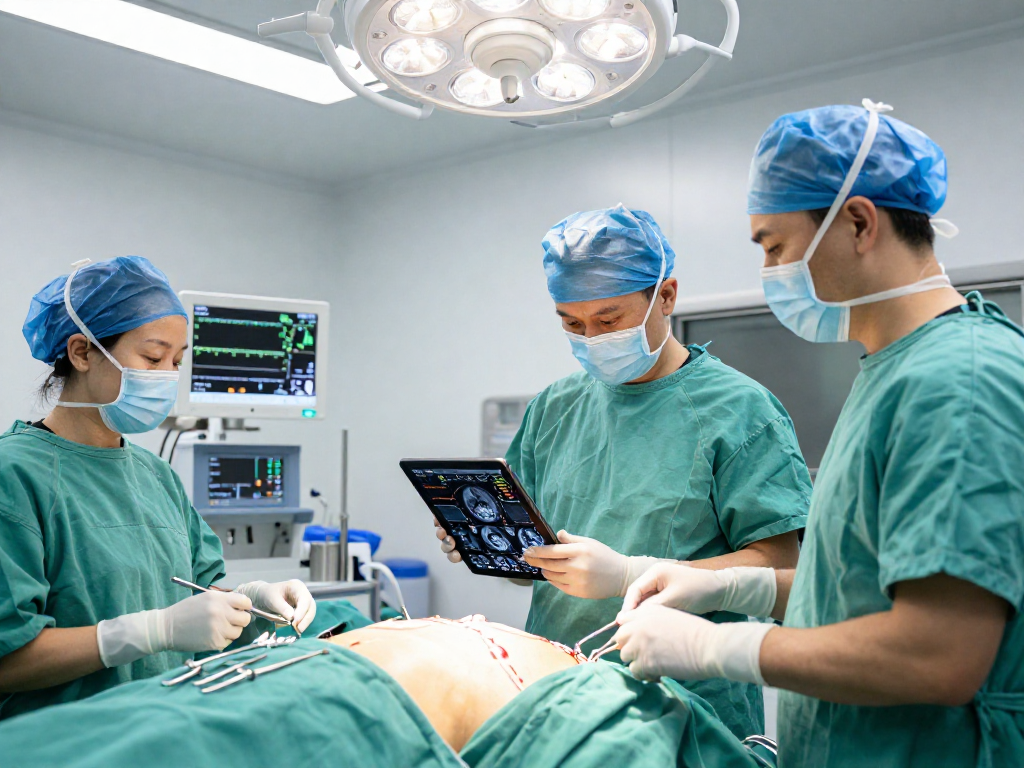
Understanding Dar Kanal Ameliyatı
Dar kanal ameliyatı, a surgical procedure aimed at alleviating the pressure on the spinal cord and nerve roots caused by the narrowing of the spinal canal, is an essential treatment for individuals experiencing debilitating symptoms such as pain, numbness, and weakness in the legs due to spinal stenosis. This condition is particularly prevalent among older adults and can severely impact their quality of life. As the spine narrows, patients often develop compensatory postures and difficulties with balance and mobility, which further exacerbate their symptoms. Understanding the intricacies of this surgery, including its necessity, techniques, recovery processes, and potential complications, is vital for patients considering this intervention. When exploring options, Dar kanal ameliyatı provides comprehensive insights into what patients should expect from their surgical journey.
What is Dar Kanal Ameliyatı?
Dar kanal ameliyatı, which translates to "narrow canal surgery," focuses on reversing the effects of spinal stenosis—where the spinal canal narrows, putting pressure on nerve roots and the spinal cord. The primary objective of this surgery is to relieve pain and restore mobility, allowing patients to return to their daily activities with reduced discomfort.
Common Reasons for Surgery
Surgery is typically recommended for patients experiencing significant symptoms that do not respond to conservative treatments like physical therapy or medication. Common indications include:
- Chronic pain in the lower back or neck that limits daily activities
- Radiating pain or numbness in the legs
- Muscle weakness resulting from nerve compression
- Difficulty walking or maintaining balance
How the Procedure Works
The procedure involves various surgical techniques designed to decompress the spinal canal. The surgeon may remove bone spurs, herniated disc material, or thickened ligaments that are contributing to the narrowing. This can be performed through traditional open surgery or minimally invasive approaches, each offering different advantages and considerations.
Types of Dar Kanal Ameliyatı Techniques
Minimally Invasive Techniques Explained
Minimally invasive surgery (MIS) techniques have revolutionized the field of spinal surgery. This approach aims to minimize damage to surrounding tissues while effectively decompressing the spinal cord and nerves. Using small incisions, specialized instruments allow surgeons to access the spine with precision. Patients typically benefit from reduced postoperative pain, shorter hospital stays, and quicker recovery times compared to traditional methods.
Advantages of Vidasız vs. Vidalı Surgery
Dar kanal ameliyatı can be categorized into two main techniques: vidasız (without implants) and vidalı (with implants). Each method has its own set of advantages and disadvantages:
- Vidasız (Implants-free) Surgery: This technique emphasizes preserving muscle integrity and minimizing trauma to surrounding tissues. It often results in faster recovery times and lower rates of complications.
- Vidalı (Implant-based) Surgery: In cases where spinal stability is a concern, using screws and rods may be necessary. This method is ideal for patients with underlying instability or significant deformities.
Choosing the Right Method for Your Situation
The choice between vidasız and vidalı techniques largely depends on individual patient factors, including the severity of stenosis, overall health, and the specific anatomical characteristics of the spine. Consulting with an experienced spinal surgeon is critical to determining the most appropriate approach for each patient.
Recovery Process After Dar Kanal Ameliyatı
What to Expect in the Days Following Surgery
Post-surgery, patients can expect to experience varying degrees of discomfort as their body begins to heal. Most will stay in the hospital for a brief period, during which their pain management and motor functions are monitored. Within a few days, many patients are able to begin light physical therapy, essential for regaining strength and mobility.
Tips for a Smoother Recovery
To promote a successful recovery, patients should adhere to specific guidelines:
- Follow the surgeon's post-operative instructions carefully
- Engage in light physical activity as approved by your healthcare provider
- Stay hydrated and maintain a balanced diet to support healing
- Avoid heavy lifting and strenuous activities for the recommended period
Pain Management Strategies
Effective pain management is crucial for a smooth recovery. Patients are typically prescribed medications to control pain and inflammation. Additionally, alternative therapies such as heat or cold applications, physical therapy, and mindfulness practices may further aid in managing discomfort.
Risks and Complications
Potential Complications from Surgery
While dar kanal ameliyatı is generally safe, as with any surgical procedure, there are potential risks involved, including:
- Infection at the surgical site
- Bleeding or blood clots
- Adverse reactions to anesthesia
- Neurological complications that may arise during surgery
Understanding Revision Surgery Risks
In some instances, patients may require revision surgery if they experience recurrent symptoms or complications following the initial procedure. This can entail additional risks and considerations, which should be thoroughly discussed with one’s healthcare team.
How to Minimize Risk of Nüks
To reduce the likelihood of recurrence (nüks) after dar kanal ameliyatı, patients should maintain a healthy lifestyle, adhere to all rehabilitation protocols, and remain vigilant about any new or returning symptoms. Regular follow-up with their surgeon is also crucial for monitoring their recovery and addressing any issues promptly.
Cost Considerations for Dar Kanal Ameliyatı
Factors Influencing Surgery Costs
Various factors impact the overall cost of dar kanal ameliyatı, including the type of procedure, hospital fees, surgeon fees, and additional care needed post-surgery. Geographic location and insurance coverage can also significantly affect the total financial burden on patients.
Insurance Coverage and Payment Options
Most insurance plans cover a significant portion of the costs associated with dar kanal ameliyatı, particularly when deemed medically necessary. It is essential for patients to consult their insurance providers to understand their coverage options and any out-of-pocket expenses that may apply.
Preparing Financially for Your Surgery
Patients should prepare for surgery costs by obtaining a detailed estimate from their healthcare provider. This includes all associated expenses such as pre-operative assessments, surgery, hospital stays, and follow-up visits. Creating a budget can help manage these costs effectively.
What Are the Common FAQs?
Patients often have many questions before undergoing dar kanal ameliyatı. For more information, Dar kanal ameliyatı offers valuable insights. A few frequently asked questions include:
- Will I experience new symptoms post-operatively? While the specific area treated should not narrow again, other areas of the spine may develop stenosis over time due to aging or degenerative changes.
- How long is the recovery period? Recovery times vary, but many patients can return to light activities within weeks, while complete recovery may take several months.
- What symptoms indicate a need for revision? New or worsening pain, numbness, or weakness may signal the need for further investigation.
- Is dar kanal ameliyatı always necessary? Not all patients require surgery; options like physical therapy and pain management can be effective.
- How can I ensure the best outcomes? Follow your surgeon’s advice, remain active within prescribed limits, and attend all follow-up appointments to monitor your recovery.