
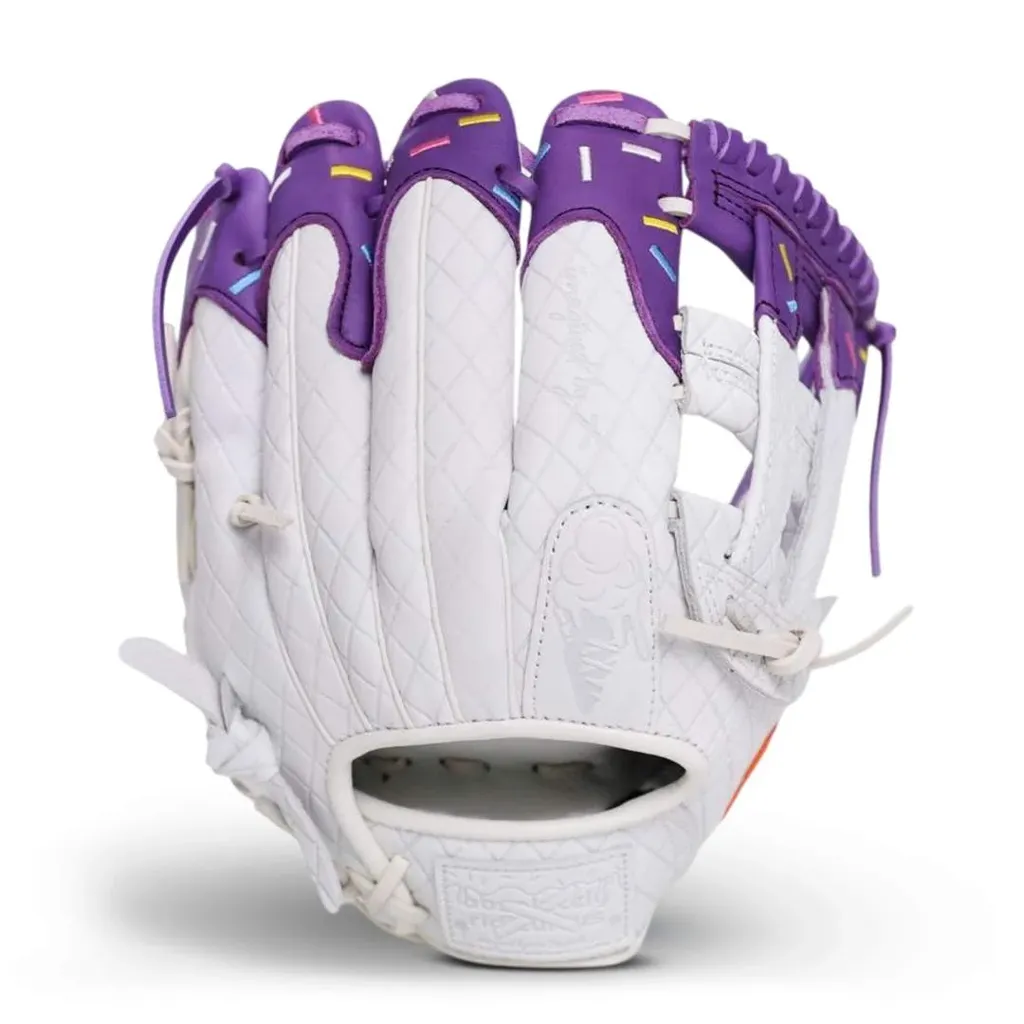
Choosing the right glove is an important decision for every softball player. A well-fitting glove can improve catching, fielding, comfort, and confidence during practice and games. However, not every glove is designed for every position. Infielders, outfielders, pitchers, catchers, and first basemen have different requirements, so understanding these differences can help you make a better choice. When shopping for softball gloves, consider your position, glove size, web design, material, fit, and playing level to find equipment that supports your performance.
Understand Your Position
Your position is one of the most important factors when choosing a softball glove. Each position requires specific skills, and the glove should complement those demands.
Infielders typically need gloves that allow quick transfers, while outfielders often benefit from larger gloves with deeper pockets. Pitchers may prefer designs that help conceal the ball, while catchers use specialized mitts built to handle repeated pitches.
Before purchasing a glove, think about where you spend most of your time on the field. A position-specific glove can make fielding more comfortable and efficient.
Choosing a Glove for Infielders
Infielders frequently handle ground balls and need to transfer the ball quickly from glove to throwing hand. For this reason, many infield gloves are smaller and designed for control.
A smaller glove can make it easier to scoop grounders and quickly prepare for a throw. Middle infielders may prefer especially agile designs, while third basemen may choose slightly larger options for additional protection and catching surface.
When comparing softball gloves for the infield, prioritize control, comfort, and a pocket that allows quick ball retrieval.
Selecting a Glove for Outfielders
Outfielders need to cover large areas and frequently catch fly balls. A larger glove can provide additional reach and a deeper pocket for securing the ball.
When selecting an outfield glove, look for a size and design that provide enough catching surface without becoming difficult to control. The glove should feel comfortable when tracking high balls and making catches above your head.
A properly sized outfield glove can give players greater confidence when making difficult catches.
Finding the Right Pitcher's Glove
Pitchers have unique glove requirements. In addition to fielding batted balls, they may use their glove to conceal their grip and pitching motion.
Many pitchers prefer closed-web or other designs that provide additional coverage. Comfort is also essential because pitchers may keep the glove on their hand throughout much of the game.
Choose a glove that feels natural when holding the ball and does not interfere with your pitching mechanics.
Catcher's Mitts Are Different
Catchers generally use specialized mitts rather than traditional softball gloves. These mitts are designed with extra padding and a rounded shape to handle repeated pitches.
Since catchers receive numerous throws during a game, durability, comfort, and protection are particularly important. The mitt should fit securely and allow the catcher to control pitches efficiently.
When selecting a catcher's mitt, consider your age, league requirements, hand size, and playing level.
Consider Glove Size
Glove size can significantly affect your fielding performance. The correct size depends on your position, age, hand size, and personal preferences.
Younger players generally need smaller gloves that are easier to control. Infielders often choose smaller models, while outfielders typically use larger gloves.
A glove that is too large may make transfers and ball control difficult. On the other hand, a glove that is too small may not provide enough surface area for reliable catches.
Choose the Right Web Design
The web is another important feature to consider. Different web styles can influence visibility, pocket depth, ball control, and overall glove feel.
Pitchers may favor closed webs for concealment, while infielders often choose designs that support quick transfers. Outfielders may prefer webs that help create a secure and deeper pocket.
When comparing softball gloves, select a web style that fits both your position and playing preferences.
Compare Glove Materials
The material of a glove affects its durability, flexibility, break-in time, and price. Leather is a popular choice because it can provide durability and develop a personalized feel with regular use.
Different grades of leather offer different levels of softness and performance. Premium leather may provide excellent durability and feel, while more affordable materials can be suitable for beginners and recreational players.
Consider how frequently you play and how much you want to invest before selecting a material.
Make Sure the Glove Fits Properly
A good glove should feel secure and comfortable on your hand. An overly loose glove can make catching difficult, while a glove that is too tight may restrict movement.
Pay attention to finger stalls, wrist adjustments, and overall comfort. If possible, try the glove before purchasing it and repeatedly open and close it to see how naturally it moves.
A comfortable fit can help you focus on the game instead of adjusting your equipment.
Break In Your New Glove
Many new leather gloves are relatively stiff and require a break-in period. Proper break-in helps create a pocket that matches your hand and catching style.
Follow the manufacturer's recommendations and use the glove consistently during practice. Avoid excessive methods that could damage the leather or weaken its structure.
With regular use, your glove should gradually become more flexible while maintaining its shape.
Conclusion
Choosing the best softball glove for your position requires careful consideration of several factors. Your position, glove size, web design, material, fit, and skill level can all influence which model is right for you.
Infielders may benefit from smaller gloves designed for quick transfers, while outfielders often need larger models with deeper pockets. Pitchers and catchers have their own specialized requirements.
By understanding your position and testing different softball gloves when possible, you can find a comfortable option that supports your technique, improves fielding confidence, and helps you perform your best on the softball field.