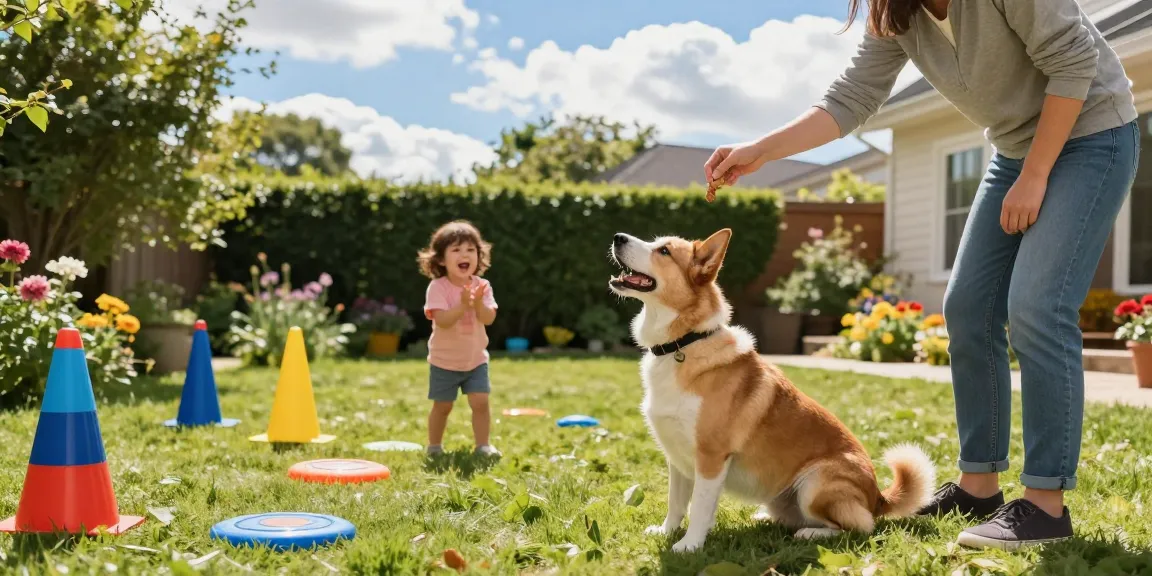
Understanding the NAGA2000 Training Philosophy
The NAGA2000 training philosophy represents a significant advancement in the realm of pet training methodologies. As pet ownership continues to grow, so too do the complexities of training techniques designed to cater to a wide variety of breeds and behaviors. The NAGA2000 framework not only focuses on traditional training methods but also incorporates modern insights into animal psychology and behavior. When exploring options, NAGA2000 provides comprehensive insights into effective training techniques that empower pet owners and enhance their relationships with their pets.
What is NAGA2000 in Pet Training?
NAGA2000 is a holistic approach to training pets that emphasizes understanding animal behavior through observation and adaptation. This method is rooted in the belief that each pet is unique, and training should be tailored to fit their individual needs. The NAGA2000 training program incorporates various elements such as positive reinforcement, environmental awareness, and consistency to foster an effective training environment.
Core Principles of the NAGA2000 Approach
- Positive Reinforcement: Rewarding desired behaviors rather than punishing unwanted ones to encourage confidence and trust.
- Consistency: Maintaining uniformity in commands and actions to help pets understand expectations.
- Adaptability: Flexibility in training methods according to the pet’s learning pace and individual personality.
- Environmental Enrichment: Creating stimulating environments that promote natural behaviors and learning opportunities.
Benefits of NAGA2000 Techniques for Pet Owners
The NAGA2000 method offers numerous benefits for pet owners. Firstly, it fosters a deeper bond between owner and pet through trust and communication. Pets trained using positive reinforcement are typically more responsive and eager to engage, which ultimately leads to a more enjoyable companionship. Additionally, owners often report reduced instances of behavioral issues, as the approach addresses the root causes rather than simply managing symptoms.
Key Challenges in Pet Training Today
Common Misconceptions about Pet Behavioral Training
One of the prevalent misconceptions surrounding pet training is that it is solely about obedience. Many believe that training should focus on making pets follow commands, neglecting the importance of understanding behavioral motivations. NAGA2000 counters this belief by promoting a more nuanced understanding of animal behavior and emphasizing the need for empathy and patience in the training process.
Overcoming Resistance in Training: Owner and Pet Perspectives
Resistance during training can stem from both the pet and the owner. Pets may resist training due to fear, confusion, or lack of motivation, while owners might face challenges such as time constraints, unrealistic expectations, or frustration. The NAGA2000 philosophy teaches strategies to overcome these hurdles by emphasizing empathy and communication, enabling a more harmonious training experience.
The Impact of Environment on Training Success
The training environment plays a crucial role in a pet's ability to learn effectively. A chaotic or distracting environment can hinder progress, while a calm and structured space promotes focus and learning. NAGA2000 encourages trainers to create environments that support learning by gradually introducing distractions and reinforcing positive behavior even in challenging situations.
Implementing the NAGA2000 Method: Step-by-Step
Preparing for Training Sessions: Necessary Tools and Mindset
Before embarking on a training journey with the NAGA2000 method, it is essential to gather appropriate tools, such as treats for positive reinforcement, training clickers, and toys for engagement. Moreover, a positive mindset is vital; trainers should approach each session with patience, enthusiasm, and a clear understanding of their goals. Engaging in self-reflection about personal training goals can also enhance the effectiveness of sessions.
Breaking Down Techniques: From Basics to Advanced Tricks
The NAGA2000 method is designed to build upon basic skills progressively. Starting with foundational commands like “sit” and “stay,” trainers can gradually introduce more complex behaviors. Each step is essential—mastering the basics lays the groundwork for advanced tricks, which can include agility training or interactive play. This step-by-step approach ensures that each pet can learn at a comfortable pace.
Measuring Progress: Indicators of Successful Training
Measuring success in pet training can be subjective. However, certain indicators can help assess progress. These include improved responsiveness to commands, reduced behavioral issues, and increased engagement during training sessions. Additionally, owner satisfaction and the strengthening of the pet-owner bond are significant indicators of successful training under the NAGA2000 framework.
Real-Life Success Stories with NAGA2000
Case Study: From Problematic to Perfectly Trained Pets
Numerous success stories showcase the capabilities of the NAGA2000 method. For instance, one case involved a rescue dog with severe anxiety that struggled to adjust to new environments. By applying NAGA2000 techniques, the owner created a structured training plan that focused on gradual exposure to various stimuli, leading to a well-adjusted and confident companion.
Owner Testimonials: Transformative Experiences with NAGA2000
Pet owners who have adopted the NAGA2000 methodology often share transformative experiences. Many report significant behavioral improvements in their pets, as well as newfound joy in the training process. Such testimonials emphasize the importance of the positive reinforcement techniques that form the backbone of NAGA2000.
The Role of Community and Support in Training
Community plays an integral role in the NAGA2000 experience. Owners who participate in workshops and training sessions with fellow pet owners often feel more supported and motivated. This communal aspect not only helps in sharing successes and challenges but also fosters an environment where pets can learn from each other.
Future Trends in Pet Training: What 2026 Holds
Emerging Techniques: Innovations in Pet Training
As we approach 2026, several emerging techniques and trends are set to reshape pet training. One notable trend is the incorporation of virtual training tools, which allow for remote learning and more flexible training schedules. This innovation aligns well with the principles of the NAGA2000 method, enhancing accessibility for pet owners everywhere.
The Role of Technology in NAGA2000 Training
Technology is playing an increasingly pivotal role in pet training. Tools such as apps for tracking training progress and smart collars that monitor pets’ behaviors are becoming commonplace. These advancements complement the NAGA2000 approach by providing immediate feedback and enhancing the training experience for both pets and their owners.
Preparing for Future Challenges in Pet Behavioral Training
Future pet trainers will need to be prepared for evolving challenges. Factors such as environmental changes, societal trends in pet ownership, and advancements in veterinary science may impact training methodologies. Adapting the NAGA2000 approach to these changes will ensure that it remains relevant and effective for future generations of pet owners.
What is the NAGA2000 training method?
The NAGA2000 training method is a comprehensive approach to pet training that focuses on understanding individual animal behavior through positive reinforcement and adaptability, setting it apart from traditional obedience training methods.
How effective is NAGA2000 for different pet breeds?
NAGA2000 has proven effective across various breeds, as it tailors techniques to fit the unique personality and learning style of each animal, thereby enhancing training outcomes regardless of the breed.
What tools are recommended for implementing NAGA2000?
Necessary tools for successful NAGA2000 training include treats for rewards, clickers for marking behaviors, and interactive toys to engage pets throughout the training process.
Are there success stories from pet owners using NAGA2000?
Many pet owners have reported success using the NAGA2000 approach, citing improvements in behavior and enhanced relationships with their pets as significant outcomes of their training efforts.
What future trends should pet owners be aware of?
Pet owners should stay informed about future trends such as virtual training technologies, advancements in behavior-modification techniques, and the increasing importance of community engagement in the training process.