Understanding the Importance of Local Brand Support
In an era where globalization often overshadows local contributions, supporting local brands has become increasingly vital. The concept encompasses not only fostering economic growth but also preserving cultural identity and community spirit. One such initiative making waves in this domain is rokok88, which emphasizes the importance of backing homegrown products and services. By prioritizing local businesses, consumers can help sustain jobs, nurture innovation, and promote sustainable practices that benefit the entire community.
What is rokok88 and its mission?
Rokok88 stands out as a beacon of local pride, dedicated to promoting products manufactured within Indonesia. Its mission centers around not just the sale of goods but also the celebration of local craftsmanship and culture. By collaborating with local artisans and manufacturers, rokok88 seeks to boost the visibility of Indonesian products on both domestic and international stages.
Challenges faced by local brands?
Despite the clear benefits of supporting local enterprises, these brands often grapple with significant challenges. Limited access to financing, fierce competition from well-established multinational corporations, and a lack of widespread consumer awareness about their offerings can stifle growth. Additionally, many local brands struggle with marketing their unique stories and values, which are essential for building a loyal customer base.
Benefits of supporting local businesses?
- Economic Growth: Supporting local businesses keeps money within the community, which stimulates local economies.
- Job Creation: Local firms tend to employ local residents, thereby reducing unemployment rates.
- Cultural Identity: Shopping local helps preserve and develop unique cultural identities.
- Sustainability: Local businesses often utilize sustainable practices, reducing the carbon footprint associated with transportation.
Effective Strategies for Building Community Around Local Brands
Creating a robust community around local brands requires intentional strategies that foster engagement and connection. Leveraging local resources in effective ways can help raise awareness and support for these businesses.
Engagement through local events and fairs
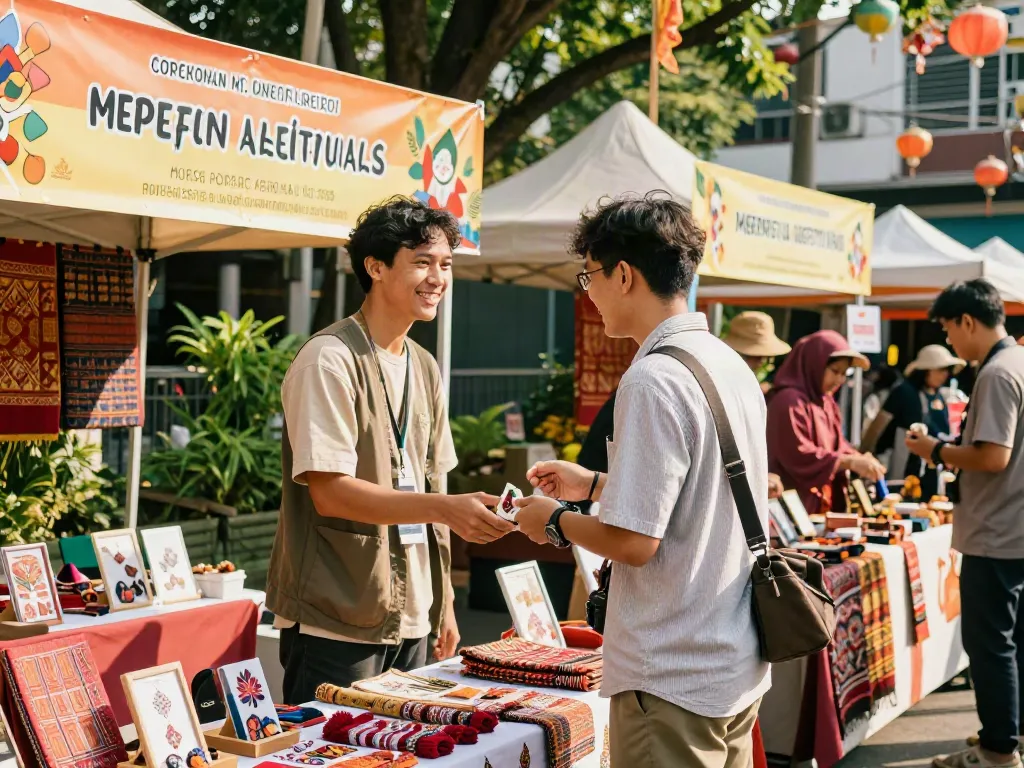
Participating in local events and fairs provides brands with a platform to connect directly with consumers. These gatherings allow businesses to showcase their products, share their stories, and build relationships with potential customers. Such face-to-face interactions can significantly enhance brand loyalty and community support.
Utilizing social media for community outreach
In today’s digital age, social media serves as a potent tool for engaging with the community. Local brands can share their journeys, highlight customer stories, and promote events, all while interacting with followers in real-time. By creating content that resonates with their audience, these businesses can cultivate a dedicated online following that translates into offline support.
Creating partnerships with local influencers
Collaborating with local influencers can amplify brand reach and credibility. These individuals often have established relationships with their followers, allowing them to effectively convey a brand’s message. By engaging influencers who genuinely appreciate local products, brands can tap into new customer segments and drive community awareness.
Measuring the Impact of Community Engagement Initiatives
To gauge the effectiveness of community engagement strategies, local brands must establish clear metrics that reflect their goals. This helps in fine-tuning efforts and maximizing their impact on the community.
Key performance indicators for success
Tracking key performance indicators (KPIs) such as customer feedback, sales growth, and social media engagement can provide valuable insights. Brands should also monitor foot traffic during events to assess the impact of their community initiatives.
Gathering feedback from community members
Direct feedback from the community can be instrumental in understanding consumer needs and expectations. Surveys, focus groups, and online reviews can provide actionable insights that help brands refine their offerings and engagement strategies.
Case studies of successful engagement
Analyzing successful case studies, such as campaigns that have effectively rallied community support, can provide valuable lessons. These examples often highlight innovative strategies and the impact of sustained community engagement.
Future Trends in Local Brand Promotion for 2026
As consumer behavior evolves, local brands must stay ahead by adapting to emerging trends that shape the marketplace.
Emerging technologies in community engagement
Technology continues to revolutionize how brands interact with their communities. The incorporation of augmented reality (AR) and virtual reality (VR) can create immersive shopping experiences that engage customers in new ways. Additionally, data analytics tools can provide insights into consumer preferences, allowing brands to tailor their marketing strategies effectively.
Changing consumer behaviors and expectations
Today's consumers are more conscious about where they spend their money. They seek transparency, sustainability, and ethical practices from brands. Local businesses that align with these values can foster stronger customer loyalty and attract a new demographic that prioritizes responsible consumption.
The role of sustainability in local branding
As sustainability becomes a key driver in consumer purchasing decisions, local brands that prioritize eco-friendly practices will likely see increased support. This includes sourcing materials locally, reducing waste, and promoting sustainable production methods.
Real-World Examples of Successful Local Branding Efforts
Highlighting real-world examples can inspire local brands and provide insights into effective marketing strategies.
Case studies from the rokok88 initiative
The rokok88 initiative exemplifies the power of community-driven branding. By focusing on the stories behind their products and engaging local artisans, they not only promote high-quality goods but also foster a sense of pride among consumers.
Analysis of community-driven campaigns
Campaigns that encourage community involvement, such as ‘buy local’ movements, showcase how collective efforts can enhance brand visibility. These campaigns highlight how consumers can make impactful choices by supporting their local economy.
Lessons learned from industry leaders
Industry leaders often provide valuable insights on the importance of adaptability and innovation. By studying their strategies, local brands can learn to pivot in response to market changes and consumer expectations.
What are the benefits of community engagement for local brands?
Community engagement is essential for local brands as it fosters trust, enhances customer loyalty, and creates an environment where feedback can lead to continuous improvement.
How can local brands leverage social media?
Local brands can leverage social media by sharing authentic stories, engaging with customers, and promoting local events and initiatives that highlight their commitment to the community.
What strategies are effective for connecting with consumers?
Effective strategies include personalized marketing, local partnerships, and utilizing community events to create memorable experiences that resonate with consumers.
What metrics should businesses track for community engagement?
Businesses should track metrics such as engagement rates, sentiment analysis from customer feedback, and the conversion rates of promotional campaigns to assess the effectiveness of their community engagement efforts.
What are the future trends in local branding?
Future trends in local branding will likely see a stronger focus on technology integration, sustainability, and the evolving expectations of consumers regarding corporate responsibility and ethical practices.