Understanding the Glass Manufacturing Landscape
The glass manufacturing industry is a complex and dynamic sector characterized by rapid technological advancements and an evolving market landscape. As global demand for glass products continues to rise, understanding the role of glass machine manufacturers becomes imperative. These manufacturers not only supply the machinery necessary for glass production but also innovate to stay ahead of industry trends. From architectural applications to automotive uses, the machinery that shapes glass products forms the backbone of this industry.
The Role of Glass Machine Manufacturers
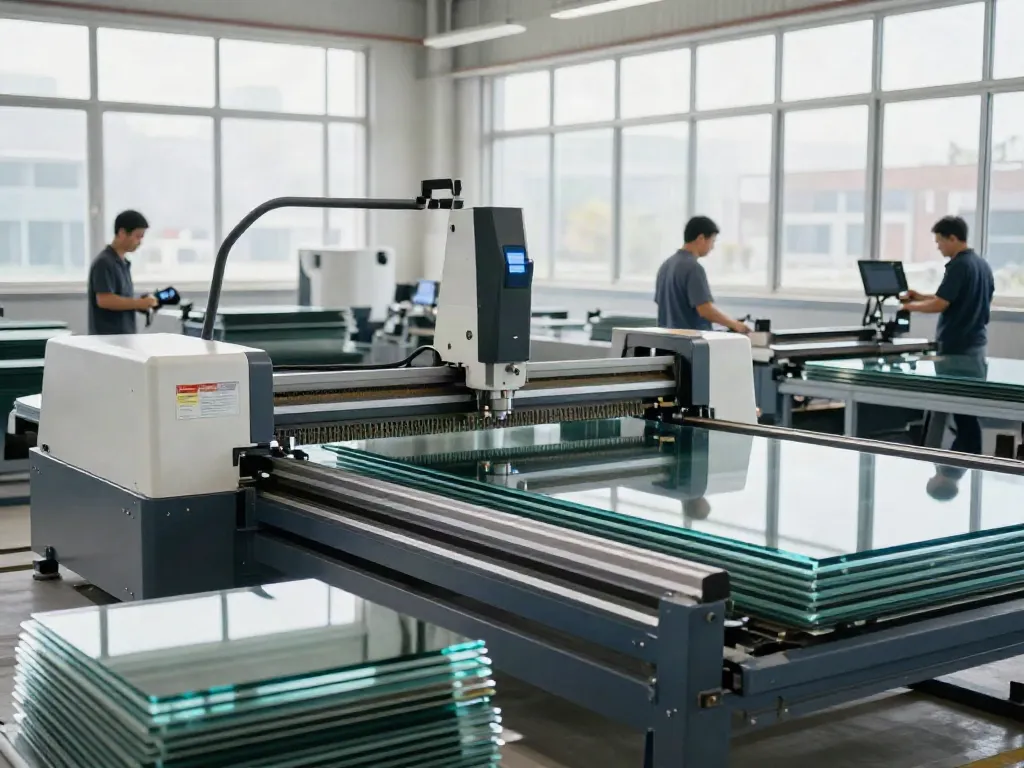
Glass machine manufacturers are pivotal in ensuring the efficiency and quality of glass production processes. They produce a wide array of machines designed for cutting, polishing, washing, and insulating glass. By investing in advanced machinery, manufacturers can significantly enhance production capabilities, reduce waste, and improve product quality. Additionally, these manufacturers often provide customized solutions tailored to meet the specific needs of their clients. This adaptability is crucial, especially as customer preferences shift towards more specialized glass applications.
Common Challenges Faced by the Industry
Despite the advancements in glass manufacturing technology, the industry faces several challenges. One of the primary issues is the high cost of machinery and the ongoing expenses related to maintenance. Additionally, as environmental regulations become stricter, manufacturers must innovate to reduce their carbon footprint while maintaining profitability. Supply chain disruptions, especially those influenced by global events such as pandemics or economic downturns, also pose significant challenges. Hence, having a reliable and efficient supply chain for raw materials is essential for continued success in this industry.
Key Innovations in Glass Machinery
Many innovations are revolutionizing the glass manufacturing process. For instance, the introduction of artificial intelligence and machine learning in production lines allows for real-time monitoring and adjustments, ensuring optimal performance. Furthermore, advancements in automation have led to the creation of fully automated production lines that drastically reduce labor costs and increase efficiency. These technologies not only enhance productivity but also minimize errors, thereby improving the final product's quality.
Types of Glass Machines and Their Applications
Overview of Glass Cutting and Edging Machines
Glass cutting and edging machines are fundamental to the glass manufacturing process. These machines are designed to deliver precise cuts and polished edges, which are crucial for both aesthetic and functional aspects of glass products. High-quality cutting machines utilize advanced technologies such as CNC (Computer Numerical Control) to ensure accurate cuts, minimizing material wastage. Moreover, edging machines add finishing touches, creating smooth edges that enhance the product's durability and appearance.
Advanced Insulating Glass Production Techniques
Insulating glass production lines have seen significant advancements, particularly in the quest for energy efficiency. Modern production techniques allow for the fabrication of double and triple-glazed units that significantly reduce thermal transfer. Technologies such as gas-filled spaces between panes and specialized coatings can improve insulation, making them essential in energy-efficient buildings. Manufacturers are now increasingly focusing on these techniques in response to rising energy costs and regulatory demands for more sustainable building practices.
Innovations in Glass Washing and Sandblasting Machines
Glass washing and sandblasting machines are critical to ensuring the cleanliness and surface quality of glass products. Innovations in these areas include the development of environmentally friendly washing solutions that use less water and energy while guaranteeing thorough cleaning. Sandblasting machines have also evolved, employing advanced technologies that allow for intricate designs and patterns to be etched onto glass surfaces without compromising the material's integrity.
Best Practices for Selecting Glass Machine Manufacturers
Evaluating Manufacturer Reputation and Experience
When choosing glass machine manufacturers, evaluating their reputation in the industry is of utmost importance. Researching customer reviews, industry certifications, and case studies can provide insights into a manufacturer's reliability and quality of service. Additionally, a manufacturer with years of experience is likely to have a better understanding of market trends and customer needs, which contributes to more innovative solutions.
Understanding the Importance of After-Sales Support
Another critical factor to consider is after-sales support. A manufacturer that offers robust after-sales services, including maintenance, training, and parts availability, can save clients from potential downtimes and additional costs. Ensuring that the manufacturer has a dedicated support team can significantly enhance the overall experience and help maintain equipment efficiency over time.
Factors to Consider for Cost-Effectiveness
Cost-effectiveness is a crucial consideration for any manufacturing operation. When evaluating different manufacturers, it’s essential to compare not only the upfront cost of the machinery but also the total cost of ownership. This includes maintenance costs, energy consumption, and the potential for future upgrades. Manufacturers that provide energy-efficient solutions might have a higher initial price but result in significant savings in the long run.
Emerging Trends and Technologies in 2026
Impact of Automation on Glass Manufacturing
The trend towards automation in glass manufacturing is expected to continue growing. Fully automated systems can perform tasks with minimal manual intervention, which increases efficiency and reduces the potential for human error. In 2026, we anticipate even more sophisticated automated solutions that integrate with Artificial Intelligence (AI) to predict maintenance needs and optimize production schedules based on real-time data.
Future of Sustainable Glass Production
Sustainability will be a driving force in the glass manufacturing industry. The use of recycled glass, known as cullet, is becoming more prevalent as manufacturers seek to minimize waste and environmental impact. Innovative methods such as using renewable energy sources in production processes will also likely become standard practice. As consumer awareness of environmental issues rises, manufacturers that adopt sustainable practices will have a competitive edge.
Advancements in Laser Cutting Technology
Laser cutting technology is poised to transform how glass is processed. With laser systems, manufacturers can achieve highly precise cuts and intricate designs without physical contact. This minimizes potential damage to the glass and allows for greater design flexibility. In the coming years, we expect further advancements in laser technology, making it more accessible and efficient for various applications.
Case Studies: Successful Glass Manufacturers
Innovative Practices from Leading Global Companies
Several global companies are leading the way in innovative practices within the glass manufacturing sector. For instance, companies that have invested in smart technology are now able to track production metrics and implement changes swiftly based on data analytics. This has led to higher production rates and reduced waste, setting benchmarks for industry standards.
How Local Manufacturers Compete Globally
Local manufacturers are increasingly finding ways to compete with larger global players by focusing on niche markets and specialized products. By providing customized solutions and faster delivery times, these manufacturers can carve out a significant market share despite the competitive pressure. Collaboration with local suppliers also enhances their ability to innovate and respond quickly to consumer needs.
Lessons Learned from Industry Leaders
Industry leaders often emphasize the importance of continuous training and development. Investing in employee skills not only increases productivity but also fosters an innovative culture. Moreover, collaboration among manufacturers, suppliers, and technological partners can facilitate knowledge sharing and lead to groundbreaking advancements in machinery and processes.
Who is the biggest glass manufacturer?
The title of the biggest glass manufacturer varies by region and market segment, but companies like Saint-Gobain and NSG Group are often mentioned among the largest global players. Their extensive product lines and international reach make them significant contenders in the glass manufacturing landscape.
What are the latest trends in glass machinery?
Recent trends include advancements in automation, increased focus on sustainability, and the integration of AI in production processes. These trends are driving manufacturers to adopt smarter technologies and more eco-friendly practices that enhance productivity and reduce environmental impact.
How much does a glass factory cost?
The cost of setting up a glass factory can vary significantly based on the scale of operations, location, and machinery involved. Small to medium-sized operations may require an initial investment of several hundred thousand dollars, while larger facilities can exceed millions. Factors such as local regulations and land pricing also play crucial roles in overall expenses.
What should I look for in a glass machine manufacturer?
When selecting a glass machine manufacturer, consider their reputation, the range of machinery offered, after-sales support, and commitment to innovation. It's also essential to assess their ability to provide tailored solutions to meet specific operational needs.
Where can I find glass machine manufacturers near me?
Finding glass machine manufacturers can be done through industry directories, trade shows, and online research. Local business listings and industry-specific forums can also provide valuable referrals and recommendations.