Understanding Induction Heating Technology
Induction heating technology is revolutionizing how materials are processed across various sectors, offering fast and efficient solutions for tasks like melting, brazing, and welding. Particularly in industries where precision and energy efficiency are paramount, the induction heater stands out as a game-changer. By utilizing electromagnetic fields to generate heat within conductive materials, induction heating not only enhances productivity but also ensures a cleaner and safer work environment.
What is an Induction Heater?
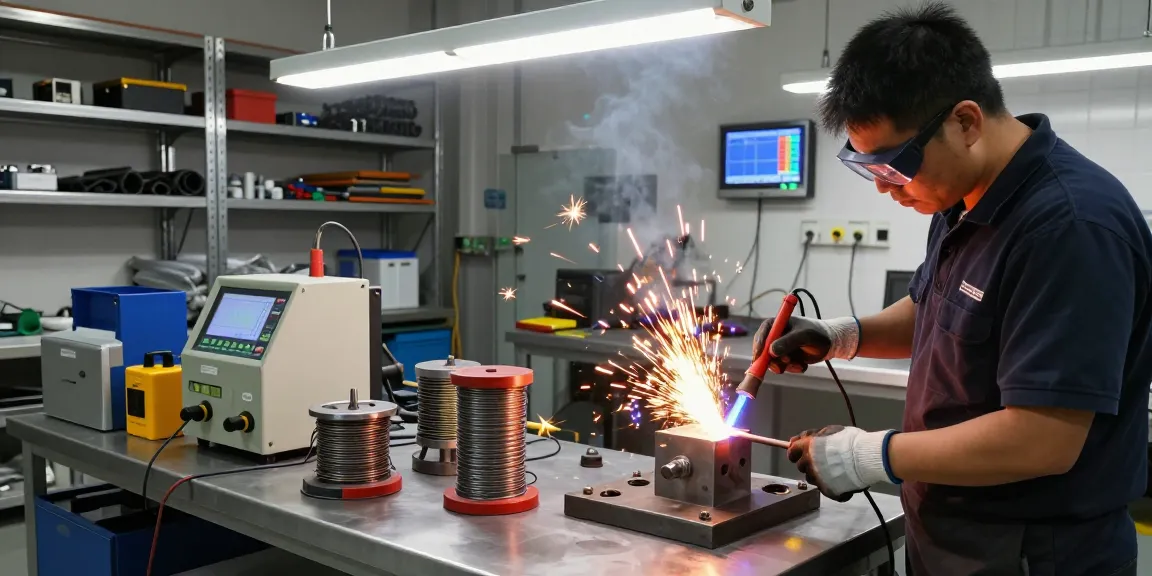
An induction heater is a device that uses electromagnetic induction to heat metals. This process involves creating a magnetic field that induces electric currents within the metal, leading to rapid heating. Induction heaters come in various forms, including high-frequency, medium-frequency, and ultra-high frequency models, each tailored for specific applications such as melting, welding, and hardening metals.
How Induction Heaters Work
At the core of induction heating is the principle of electromagnetic induction. When an electric current flows through a coil, it generates a magnetic field. If a conductive material is placed within this magnetic field, electric currents are induced in the material. These currents create resistance, leading to heat generation. This method is highly efficient, allowing for quick and direct heating of components without needing flames or external heat sources.
Applications of Induction Heating in Various Industries
Induction heating is utilized in several industries including:
- Metal Processing: Used for melting, hardening, and annealing metals.
- Aerospace: For heat treatments of components ensuring high performance and reliability.
- Automotive: Employed in the manufacturing of parts and assemblies, especially in welding applications.
- Medical Equipment: Assisting in manufacturing precision devices that require stringent quality controls.
- Home Appliances: Used in the production of electronic and mechanical components.
Choosing the Right Induction Heater for Your Needs
Selecting the right induction heater involves understanding your specific requirements, including the materials to be processed, desired heating methods, and efficiency needs. The wide range of options available can cater to both industrial applications and smaller scale needs.
Factors to Consider When Selecting an Induction Heater
Key considerations include:
- Application Requirements: Identify if the application requires melting, welding, or brazing capabilities.
- Power Rating: Determine the necessary kilowatt rating based on the scale of your operations.
- Frequency Range: Choose between high-frequency and medium-frequency equipment based on the material and thickness.
- Safety Features: Look for models with built-in safety protocols such as over-temperature protection and fault detection.
Comparative Overview: High-Frequency vs. Medium-Frequency Induction Heaters
High-frequency induction heaters operate at frequencies between 100 kHz to 1 MHz, ideal for applications requiring rapid heating of thin materials. In contrast, medium-frequency induction heaters range from 1 kHz to 100 kHz and are better suited for processing thicker materials, providing deeper heat penetration and more controlled heating.
Cost Analysis: Budgeting for Induction Heating Solutions
While induction heating solutions can have a higher upfront cost compared to traditional heating methods, their energy efficiency and time savings can lead to lower operational costs in the long term. It is critical to analyze the total cost of ownership, including maintenance and energy savings, when making your investment decision.
Operating an Induction Heater Safely
Safety should always be a top priority when operating induction heating equipment. Following established safety protocols can significantly minimize risks and enhance operational efficiency.
Essential Safety Protocols for Induction Heating
To ensure safety in the workplace, operators should:
- Inspect equipment regularly for any signs of wear or malfunction.
- Ensure all safety interlocks are functional before operation.
- Provide comprehensive training for all operators on safe handling and emergency procedures.
- Implement proper ventilation to manage any gases released during heating processes.
Common Mistakes to Avoid in Operation
Operators should be aware of typical errors such as:
- Using inappropriate settings for specific materials, leading to poor results.
- Neglecting regular maintenance checks, which can lead to equipment failure.
- Failing to monitor temperature closely, risking overheating and damage.
Maintenance Tips for Longevity and Performance
To ensure the longevity of your induction heater, consider these maintenance tips:
- Perform annual maintenance checks to inspect cables, coils, and electronic components.
- Clean the induction coil and surrounding areas regularly to prevent buildup.
- Keep the unit cool and well-ventilated, avoiding overheating issues.
Optimizing Induction Heating Processes
Maximizing the efficiency of your induction heating processes can lead to substantial improvements in production times and quality of outputs.
Best Practices for Efficient Heating
To achieve optimal results, manufacturers should:
- Utilize the correct coil design tailored to the specific application and workpiece.
- Adjust power settings dynamically based on real-time feedback from temperature sensors.
- Conduct regular tests to calibrate and fine-tune the heating cycles.
Advanced Techniques for Custom Applications
Implementing advanced techniques can enhance the effectiveness of induction heating:
- Use computer modeling to predict heating patterns and make adjustments accordingly.
- Combine induction heating with other technologies for improved process capabilities.
- Develop custom induction coils that cater specifically to unique workpiece shapes and sizes.
Case Studies: Successful Implementation in Industry
Several companies have successfully integrated induction heating into their operations, leading to enhanced efficiency:
- Automotive Industry: A leading automotive manufacturer reduced assembly line heating times by 30% by utilizing high-frequency induction heaters.
- Metal Fabrication: A fabrication shop increased the quality of welds by integrating a medium-frequency induction welder into their process.
Future Trends in Induction Heating Technology
The induction heating landscape is set to evolve rapidly with advancing technology and industry demands. Staying abreast of these trends is essential for companies aiming to maintain a competitive edge.
Predicted Developments in Induction Heaters by 2026
Innovations such as AI integration for predictive maintenance and enhanced process monitoring are on the horizon. Expect to see more compact designs that offer portability without sacrificing performance.
Impact of Industry 4.0 on Induction Heating
Industry 4.0 will enable greater connectivity between induction heating machines and production systems, allowing for real-time data collection and analysis to optimize manufacturing processes further.
Emerging Applications and Innovations in Induction Heating
Innovative uses for induction heating are being explored, including:
- Use in additive manufacturing to preheat materials before layering.
- Development of portable induction heaters for field applications.
- Integration with advanced robotics for automation in complex manufacturing environments.
What are the advantages of using an induction heater?
Induction heaters provide numerous benefits, including efficiency, precision, and safety. They significantly reduce heat loss and provide rapid heating, making them an ideal choice for various applications.
How energy-efficient are induction heaters compared to traditional methods?
Induction heaters can be up to 50% more energy-efficient than traditional heating methods, leading to lower electricity bills and reduced environmental impact.
Can induction heaters be used for home applications?
Yes, induction heating is becoming popular in home kitchens, particularly for cooking appliances that require precise temperature control, such as induction cooktops.
What safety features are typically found in modern induction heaters?
Modern induction heaters often include features such as over-temperature protection, emergency stop buttons, and safety interlocks to ensure safe operation.
How do I choose the right coil for my induction heating needs?
Selecting the appropriate coil involves considering the geometry of the workpiece, the desired heating pattern, and the specific application requirements. For more information, induction welder offers valuable insights. Consulting with manufacturers can provide valuable insights on optimal coil design.