Understanding CNC Glass Cutting Machines
As the demand for high-precision glass products increases, the role of advanced machinery in the glass processing industry cannot be overstated. Among the most essential innovations is the cnc glass cutting machine. These machines revolutionize the methods used for cutting glass, providing unmatched accuracy and efficiency in production. Understanding the intricacies of CNC glass cutting can significantly enhance manufacturing processes, reduce waste, and improve end-product quality.
What is a CNC Glass Cutting Machine?
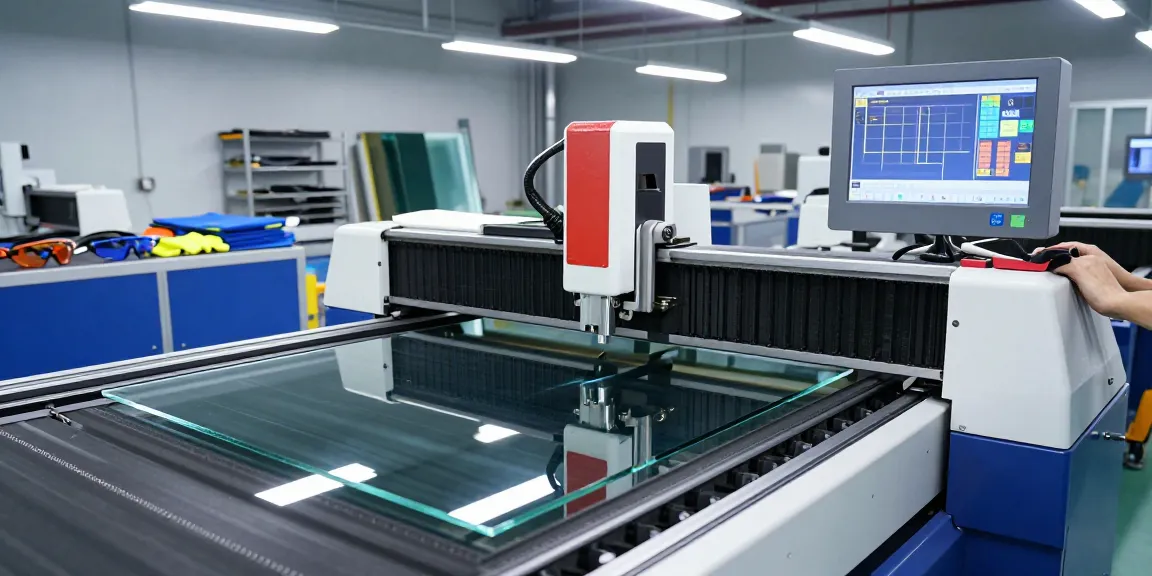
A CNC (Computer Numerical Control) glass cutting machine is an advanced piece of equipment that automates the cutting process of glass sheets. Utilizing computer programming, these machines control the movements of cutting tools to achieve precise cuts at various angles and shapes. Unlike traditional glass cutting techniques, CNC machines are capable of executing complex geometric patterns with minimal human intervention.
How CNC Cutting Machines Work
CNC glass cutting machines operate through a series of programmed commands that dictate the machine’s movements. The process begins with the creation of a design in specialized software, which converts the design into a language that the CNC machine can understand. The machine then follows these instructions to move along specified paths, using a cutting tool that scores the glass. This automated approach not only increases productivity but also leads to a significant reduction in human error.
Benefits of Using CNC Technology in Glass Cutting
Employing CNC technology in glass cutting provides numerous advantages that enhance operational efficiency:
- Precision: CNC machines cut glass with extreme accuracy, producing consistent results that meet stringent quality standards.
- Speed: Automation speeds up the cutting process, allowing manufacturers to increase their output without compromising quality.
- Flexibility: CNC machines can be easily reprogrammed for different designs, making it suitable for various applications.
- Reduced Waste: The precision of CNC cutting minimizes the amount of scrap glass generated, leading to cost savings and environmental benefits.
Key Features of Modern CNC Glass Cutting Machines
Automation and Precision Cutting
Modern CNC glass cutting machines come equipped with cutting-edge automation features that enhance precision and operational efficiency. With automated feeding systems, glass loading and unloading operations are streamlined, reducing manual labor and increasing safety. The precision cutting heads can adjust to various thicknesses and types of glass, ensuring perfect cuts every time.
Software Integration for Enhanced Efficiency
Today’s CNC glass cutting machines feature sophisticated software integration that allows for real-time monitoring and adjustments during operation. This functionality not only enhances productivity but also permits operators to visualize and alter cuts on-the-fly, thereby optimizing the entire cutting process. Furthermore, compatibility with CAD (Computer-Aided Design) systems facilitates a seamless transition from design to production.
Safety Features and User Protection
Safety is paramount in glass cutting operations, and modern CNC machines incorporate advanced safety features to protect operators. Emergency stop buttons, safety guards, and automatic shut-off systems are standard in the latest models, ensuring that operators can work confidently with the machinery. Enhanced user-friendly interfaces also improve the operator’s ability to manage the machine safely and effectively.
Comparative Analysis: CNC vs. Traditional Glass Cutting Techniques
Speed and Efficiency Differences
When comparing CNC glass cutting machines to traditional manual methods, the differences in speed and efficiency are striking. Traditional glass cutting techniques often involve manual scoring and breaking, which can be time-consuming and inconsistent. In contrast, CNC machines can cut intricate designs in a fraction of the time, significantly boosting production rates and allowing for faster turnaround times in manufacturing.
Quality of Finish: CNC vs. Manual Cutting
The quality of finish achieved through CNC cutting vastly outperforms that of manual cutting techniques. CNC machines deliver smooth edges and precise dimensions, resulting in a higher quality product that requires less post-processing. This consistency is crucial in industries where glass components must fit seamlessly or meet specific aesthetic requirements.
Cost-Effectiveness Over Time
While the initial investment in CNC machinery may be higher, the long-term savings on labor, material waste, and production time make it a cost-effective choice. Moreover, the enhanced quality and consistency of CNC-cut glass can lead to greater customer satisfaction and repeat business, further justifying the investment.
Applications of CNC Glass Cutting Machines
Architectural Glass Design and Fabrication
CNC glass cutting machines are pivotal in architectural design, offering the precision needed to create customized glass elements for buildings. From cutting large glass panels to intricate designs for facades, these machines deliver results that enhance the aesthetic appeal and structural integrity of modern architecture.
Automotive Glass Production
The automotive industry benefits greatly from CNC glass cutting technology, as it allows manufacturers to produce windshields and other glass components with high precision and efficiency. The ability to handle varying glass thicknesses and shapes is crucial in meeting the stringent safety standards required in automotive applications.
Custom Glass Art and Accessories
CNC machines have also transformed the realm of custom glass art and accessories. Artists can utilize CNC cutting technology to bring their creative visions to life, producing detailed and complex designs that would be challenging to achieve through manual cutting methods. This capability not only broadens the horizons for artistic expression but also contributes to the growing market for bespoke glass products.
The Future of CNC Glass Cutting in 2026 and Beyond
Emerging Technologies in CNC Glass Cutting
As we look towards 2026 and beyond, several emerging technologies are set to influence CNC glass cutting machines. Innovations such as AI-driven optimization of cutting paths and advanced robotic handling systems will enhance the capability and efficiency of glass processing. Additionally, developments in smart materials may necessitate further adaptations in cutting technology to accommodate new substrates.
Market Trends and Consumer Demands
The market for glass products is evolving, with increasing consumer demand for customized and high-performance solutions. This trend underscores the importance of CNC glass cutting machines, as they can adapt to produce unique glass items that meet specific customer specifications while maintaining efficiency and quality. Manufacturers who invest in updating their CNC capabilities will be well-positioned to capture a larger market share.
How to Choose the Right CNC Glass Cutting Machine for Your Needs
Choosing the right CNC glass cutting machine involves several considerations:
- Cutting Capacity: Assess the maximum glass size and thickness the machine can handle based on your production needs.
- Software Compatibility: Ensure that the machine is compatible with software solutions you currently use or plan to adopt.
- After-sales Support: Evaluate the manufacturer’s reputation for customer service and technical support, as this can significantly affect operational efficiency.
- Budget: Consider both the initial investment and the potential long-term savings when evaluating costs associated with CNC machines.
In conclusion, CNC glass cutting machines represent a vital evolution in the glass processing industry, poised to meet the demands of modern production and consumer expectations. By understanding their operation, features, and future potential, manufacturers can harness the full capabilities of this technology to enhance their production processes.