Understanding the Appeal of Asian Culture in Spanish-speaking Communities
In recent years, there has been a remarkable surge in the interest of Asian culture among Spanish-speaking communities. This growing fascination extends across various domains including entertainment, food, and fashion. The yearning to connect with the vibrant traditions, contemporary trends, and artistic expressions from countries such as Korea, Japan, and China reflects a cultural exchange that is both enriching and dynamic. Platforms like https://hanadultalk.com provide an excellent gateway for Spanish speakers to engage with these cultures in their native language, enabling deeper appreciation and understanding.
Historical Context and Cultural Exchange
Historically, cultural exchanges have played a significant role in shaping societal values and perceptions. The Silk Road, for instance, not only facilitated trade but also allowed for the exchange of ideas and customs between East and West. In recent decades, globalization has further accelerated these interactions, with technology enabling instant access to cultural products worldwide. Spanish-speaking countries have increasingly embraced elements of Asian culture, particularly as popular media such as films, music, and fashion have found their way into the homes of millions.
Current Trends in Interest and Engagement
The current trend shows a significant spike in the consumption of Asian media, particularly K-Pop and anime, among Spanish-speaking audiences. Events like K-Pop concerts in Latin America and anime conventions exemplify how these cultural forms resonate with fans. Moreover, the rise of digital platforms has made it easier to access content directly from Asia, thus creating a vibrant community of enthusiasts who share their passion through social media.
Impact of Media on Cultural Perception
Media serves as a powerful tool in shaping cultural perceptions. The portrayal of Asian cultures in mainstream media can enhance understanding, bridging gaps between diverse audiences. Positive representation in popular shows, movies, and music has fostered a sense of admiration and curiosity about Asian lifestyles. This shift not only attracts a growing fan base but also encourages individuals to partake in cultural practices, such as learning languages or trying out traditional cuisines.
Key Components of Asian Entertainment Popularity
The allure of Asian entertainment is multifaceted, touching on various aspects of daily life, style, and interpersonal connections. Understanding the components that make this genre captivating can help us grasp why it resonates so strongly across cultures.
Overview of K-Pop and J-Pop Phenomenons
K-Pop and J-Pop have emerged as cultural juggernauts, showcasing their unique blend of music, fashion, and choreography. These genres have crossed borders, creating international fandoms that share a common passion. K-Pop, in particular, has seen its popularity soar with groups like BTS and Blackpink, who have cultivated dedicated fanbases in Spanish-speaking countries. The energetic performances and visually stunning music videos captivate audiences, making them eager to engage with the artists and their associated culture.
Influence of Asian Dramas on Global Audiences
Asian dramas, notably Korean and Chinese series, have taken the global stage by storm. Their intricate storytelling and relatable characters resonate with viewers, often highlighting themes of love, friendship, and personal growth. The rise of streaming platforms has made it convenient for fans across the globe to binge-watch these series, further solidifying their appeal in Spanish-speaking markets. The emotional connection forged through storytelling transcends language barriers, allowing audiences to experience the depth of Asian narratives.
Emerging Genres and Styles in Media Consumption
As audiences become more diverse, so does their media consumption. Genres blending traditional forms with modern influences are gaining traction. For instance, the fusion of music styles like trap with traditional Asian sounds is captivating a younger demographic, creating unique collaborations that appeal to fans from both cultures. Similarly, the integration of cultural elements in fashion and art reflects the innovative spirit that characterizes contemporary Asian media.
Food as a Cultural Connector
Food has always been an essential aspect of cultural identity, serving as a gateway for individuals to connect with different cultures. The popularity of Asian cuisine in Spanish-speaking countries is a prime example of this phenomenon.
Exploring Asian Cuisines in Spanish-speaking Countries
Asian cuisines are revered for their diversity and rich flavors. From sushi and ramen to dumplings and pho, the culinary offerings are vast and enticing. In urban centers across Latin America and Spain, restaurants offering authentic Asian dishes are flourishing, reflecting a growing palate for these culinary experiences. This culinary curiosity fosters a deeper appreciation and understanding of the cultures behind the food.
Food Festivals and Their Role in Cultural Exchange
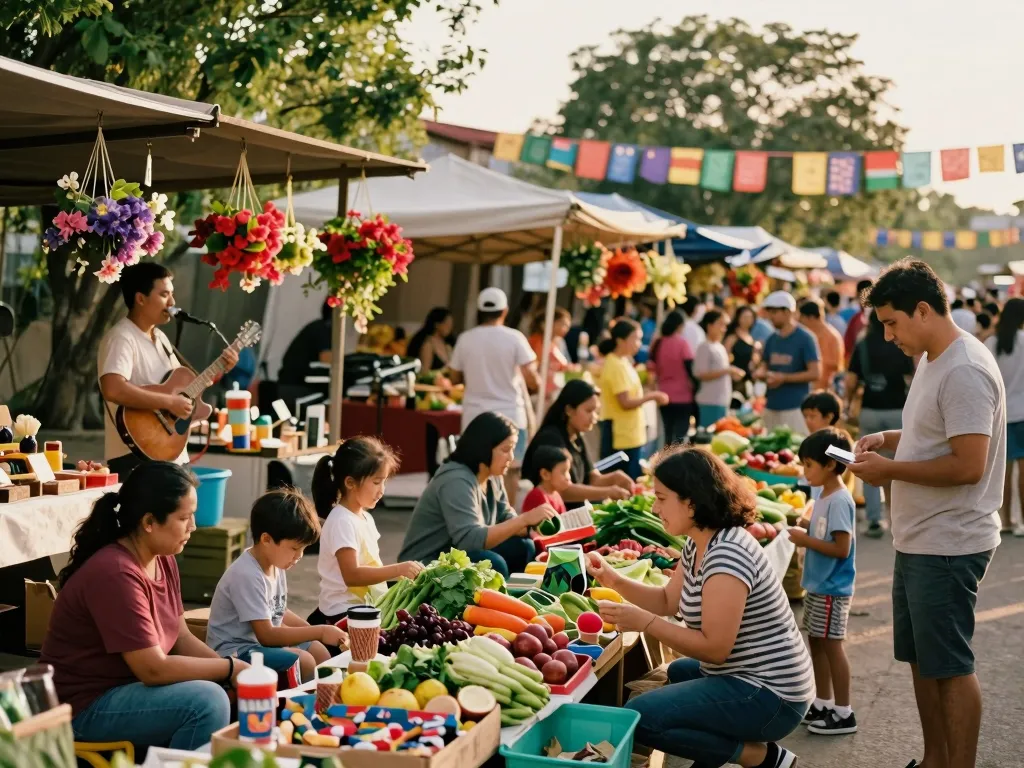
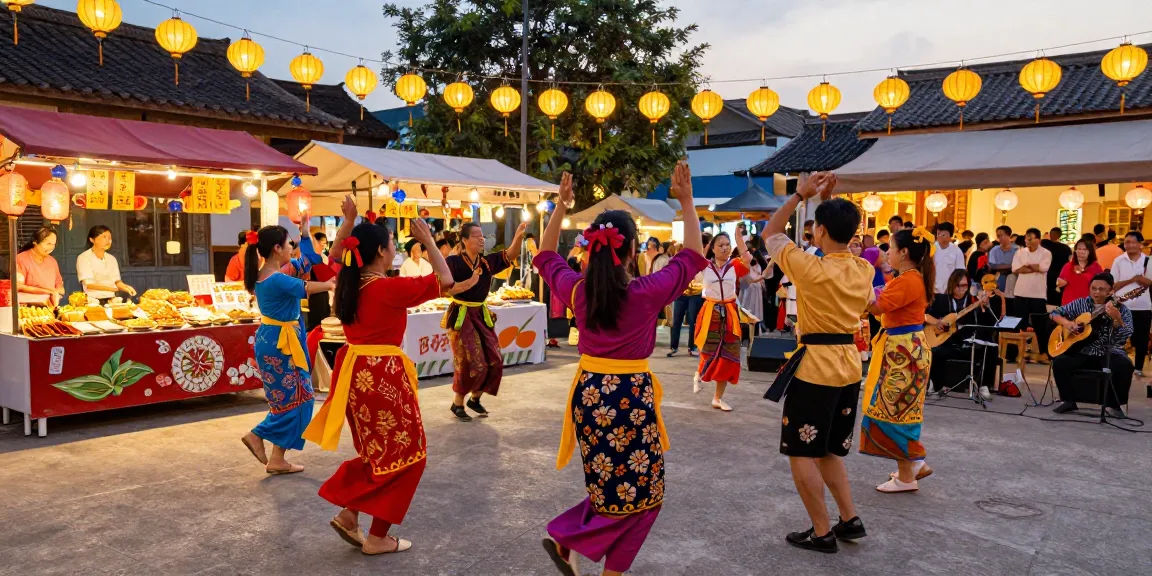
Food festivals serve as a vibrant platform for cultural exchange, bringing together various culinary traditions in celebratory environments. Events that showcase Asian cuisines attract a diverse audience, allowing participants to sample dishes while learning about the culture and traditions that influence these culinary practices. Such gatherings not only promote Asian food but also encourage cross-cultural dialogue and interaction, enhancing community ties.
Fusion Cuisine Trends and Innovations
Fusion cuisine is another compelling trend, where culinary traditions merge to create innovative dishes. Combinations of Asian and Latin flavors offer a unique dining experience, exemplifying how food can transcend cultural boundaries. Chefs are embracing creativity, leading to exciting dishes like sushi burritos and kimchi tacos that delight the taste buds while enriching cultural narratives.
Learning Spanish through Asian Media
Integrating language learning with media consumption can be an effective method for acquiring a new language. Spanish-speaking enthusiasts of Asian culture are finding ways to enhance their language skills while enjoying their favorite content.
Benefits of Bilingual Content for Language Learners
Bilingual content serves as an excellent resource for language learners. Engaging with Asian dramas or music lyrics in Spanish allows learners to hear the language in context, reinforcing vocabulary and grammar structures. Moreover, the enjoyment derived from this content makes the learning process enjoyable, promoting effective language acquisition.
Popular Learning Resources and Platforms
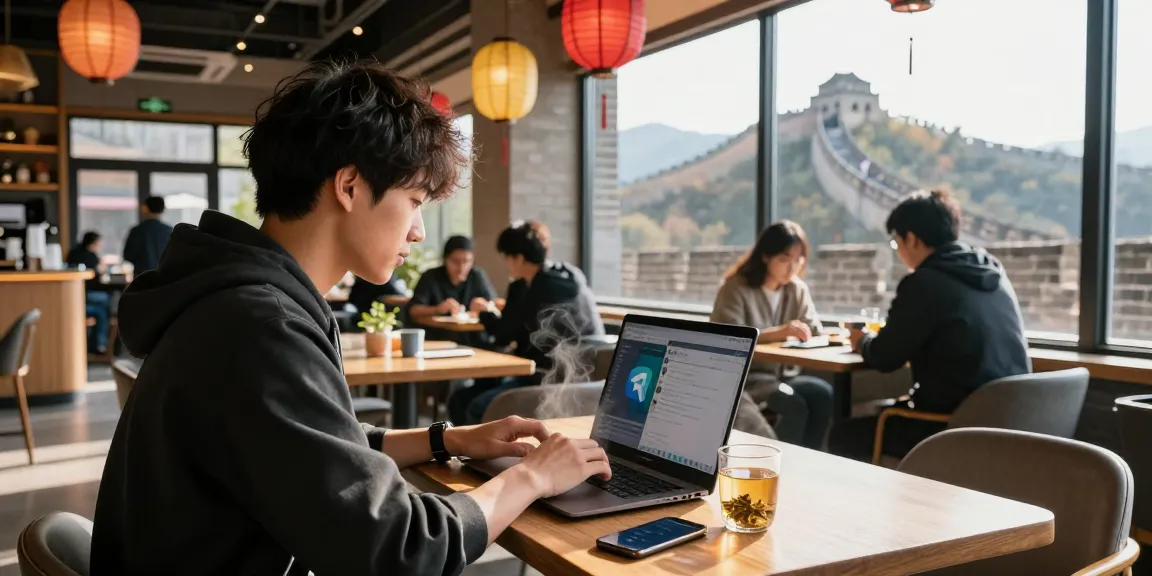
Numerous resources cater to Spanish speakers interested in learning Asian languages. Online platforms offer a plethora of courses, video lessons, and interactive exercises specifically designed for bilingual learners. Apps that combine entertainment with education are also on the rise, providing users with practical tools to enhance their skills while indulging in their cultural interests.
Case Studies of Successful Learning Experiences
Success stories abound among individuals who have learned Spanish through Asian media. Many learners attribute their language proficiency to binge-watching K-Dramas or listening to J-Pop, noting that the relatable narratives and catchy tunes help reinforce their language skills. These personal experiences highlight the effectiveness of immersive learning approaches in grasping new languages in a fun and engaging manner.
Future Trends in Asian Culture and Spanish Content
As cultural exchanges continue to evolve, several trends are likely to shape the future of Asian culture in Spanish-speaking communities.
Predicted Developments in Cross-Cultural Media
The future of cross-cultural media looks promising, with increasing collaboration between Asian creators and Spanish-speaking artists. This trend will likely lead to blended content that appeals to a global audience. Such collaborations could manifest in music, film, and even social media content, enabling richer cultural narratives while expanding reach.
Potential Challenges and Opportunities
Despite the positive trends, challenges remain in promoting cultural exchange effectively. Misrepresentation or stereotyping in media can hinder genuine understanding. However, opportunities abound for creators to engage in thoughtful storytelling that respects cultural nuances, thus fostering a more inclusive media landscape.
Engagement Strategies for 2026 and Beyond
To sustain this momentum, engagement strategies will need to adapt. Utilizing digital platforms for interactive storytelling, community engagement through cultural events, and collaboration with influencers can enhance cultural exchanges. Emphasizing authentic representation and diverse voices will ensure that the narrative around Asian culture remains vibrant and resonates well with Spanish-speaking audiences.
What are the benefits of cultural exchange?
Cultural exchange enriches societies by enhancing understanding and appreciation among diverse communities. It fosters empathy, combats stereotypes, and promotes collaboration in various fields, including art, cuisine, and education.
How can I learn Spanish through Asian media?
You can learn Spanish through Asian media by engaging with bilingual films, music, and cooking shows that provide language context and cultural nuances, thus enhancing your language acquisition experience.
What are the popular Asian entertainment forms in 2026?
In 2026, popular Asian entertainment forms will likely include K-Pop, anime, and reality shows, with a growing emphasis on content that merges cultural narratives from both Asia and Latin America.
How can food connect different cultures?
Food connects different cultures by serving as a universal language of taste, facilitating interaction, and fostering discussion about traditions, methods, and experiences associated with culinary practices.
What are the emerging trends in Asian culture?
Emerging trends include increased collaboration in entertainment, the incorporation of technology in cultural production, and the blending of culinary practices, which invite diverse audiences to engage creatively with Asian culture.