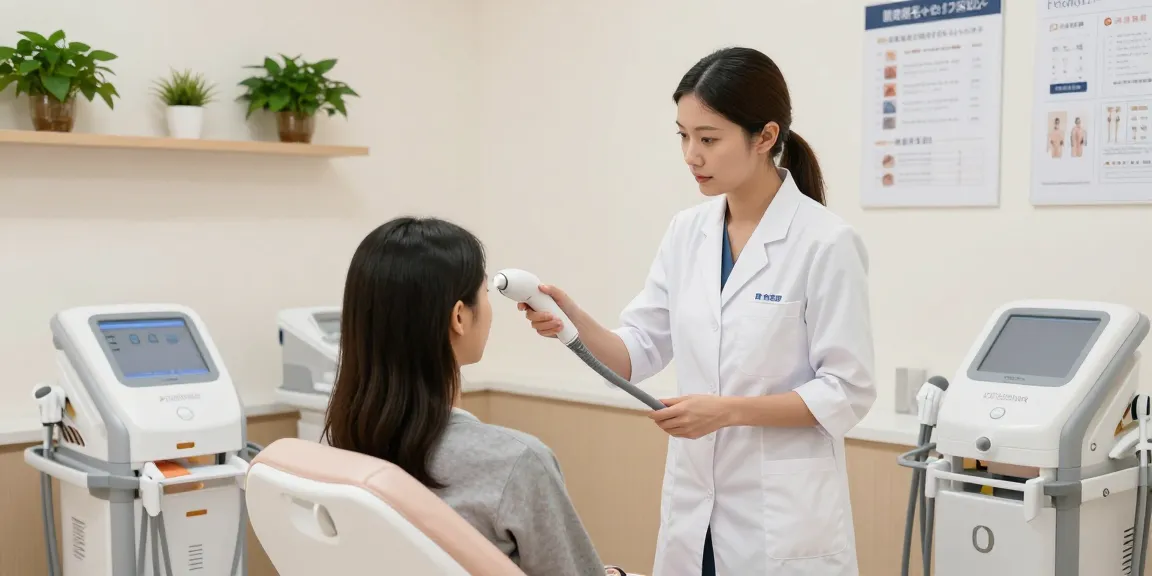
- Understanding Hair Transplant Turkey: Techniques and Innovations
- Patient Care and Success Rates in Hair Transplant Procedures
- Navigating Your Hair Transplant Journey: From Consultation to Recovery
- Hair Transplant Turkey: Addressing Patient Concerns and FAQs
- Future Trends for Hair Restoration in Turkey & Beyond
Understanding Hair Transplant Turkey: Techniques and Innovations
In recent years, Turkey has emerged as a leading destination for hair transplants, attracting thousands of patients from around the globe each year. The reasons for this popularity include not only affordable prices but also advanced medical techniques and skilled practitioners. For those considering hair restoration, understanding the various procedures available in Turkey is crucial to determining the best option for individual needs. When exploring options, hair transplant turkey provides comprehensive insights into the latest innovations and practices.
Overview of Hair Transplant Techniques
Hair transplant technology has advanced significantly over the past few decades. The most common techniques currently include Follicular Unit Extraction (FUE) and Direct Hair Implantation (DHI). FUE involves extracting individual hair follicles from donor areas—typically the back of the head—and transplanting them into balding or thinning areas. DHI is a refinement of FUE that allows for direct implantation of follicles without the need for incisions, resulting in less damage to the scalp and quicker recovery.
Comparing FUE vs. DHI Methods
When debating between FUE and DHI methods, patients should consider the advantages and disadvantages of each approach. FUE is known for its efficiency and effectiveness in larger areas of baldness; however, it may require a longer recovery time. In contrast, DHI tends to be less invasive, allowing for immediate hair placement, which can lead to faster healing and natural-looking results. Ultimately, the choice between these two methods depends on individual factors including hair loss patterns, scalp condition, and personal preferences regarding recovery time.
Emerging Innovations in Hair Restoration
Beyond traditional techniques, several emerging innovations are changing the landscape of hair restoration in Turkey. Stem cell therapies, PRP (Platelet-Rich Plasma) treatments, and robotic-assisted hair transplantation are gaining traction. These advancements harness the body’s own healing properties and provide patients with more tailored solutions, resulting in improved outcomes and higher patient satisfaction.
Patient Care and Success Rates in Hair Transplant Procedures
Understanding what to expect before, during, and after a hair transplant in Turkey is vital for prospective patients. Turkey’s clinics are known for their state-of-the-art facilities and comprehensive patient care practices, which contribute to high success rates in the procedures.
What Patients Can Expect Before, During, and After
The journey begins with a thorough consultation, where medical professionals assess the patient’s hair loss condition and discuss potential treatment options. During the procedure, patients can expect a comfortable environment, with many clinics providing sedation to minimize discomfort. Post-operation, recovery information is crucial; patients must follow specific care protocols to ensure optimal healing and hair growth.
Assessing Success Rates: A Look at Clinical Outcomes
Success rates for hair transplant procedures in Turkey are notably high, often reported to exceed 90%. Factors influencing these outcomes include the surgeon’s experience, the chosen technique, and adherence to post-operative care instructions. Patients are encouraged to review before-and-after photos, read testimonials, and engage in discussions with past clientele to gauge the efficacy of specific clinics.
Compassionate Care: The Role of the Medical Team
A compassionate and knowledgeable medical team plays a critical role in the hair restoration process. From initial consultations to post-operative support, the healthcare providers should ensure that patients feel informed and supported throughout their journey. Emotional well-being can significantly impact recovery, so clinics often include counseling and follow-up care as part of their service offerings.
Navigating Your Hair Transplant Journey: From Consultation to Recovery
Choosing to undergo a hair transplant is a significant decision. Navigating this journey effectively can make all the difference in outcomes and satisfaction levels, and prospective patients should be well-prepared.
Choosing the Right Clinic: Essential Questions to Ask
When selecting a clinic for a hair transplant in Turkey, prospective patients should ask key questions regarding the surgeon’s qualifications, the clinic’s accreditation, and the techniques used. Researching the reputation of clinics online and reading customer reviews can also provide insight into the quality of care provided.
Financing Your Hair Transplant: Cost and Insurance Insights
Cost is a crucial consideration for many patients seeking hair restoration. In Turkey, procedures may be significantly cheaper compared to countries like the USA or UK, with potential savings ranging from 50-70%. Patients should inquire about payment plans, financing options, and whether their insurance may cover some aspects of the procedure.
Post-Operative Care: Ensuring Long-Term Success
Ensuring the longevity of hair transplant results depends heavily on post-operative care. Patients should follow their surgeon’s instructions carefully, which typically include recommendations on scalp hygiene, sun exposure, and the use of hair products. Regular follow-up appointments can help monitor progress and address any concerns promptly.
Hair Transplant Turkey: Addressing Patient Concerns and FAQs
Many patients have questions and concerns regarding the hair transplant process. Addressing these issues comprehensively can facilitate informed decision-making and enhance trust.
Common Myths About Hair Transplants
Myths surrounding hair transplants can create misconceptions. For example, a common belief is that hair transplants are painful; however, advancements in techniques and anesthesia have made the experience relatively comfortable for most individuals. Education on what to expect can alleviate fears and lead to more confident decisions.
Candidacy Criteria: Who is an Ideal Candidate?
Not everyone is a suitable candidate for hair transplants. Ideal candidates typically exhibit patterns of hair loss that can be improved through transplantation. Factors such as age, health status, and hair type are also taken into account during evaluations. A thorough consultation with a qualified surgeon can help determine candidacy.
Safety Considerations and Regulatory Compliance
Safety should be a priority in any medical procedure, including hair transplants. Turkey’s medical tourism sector is regulated, ensuring clinics adhere to specific safety protocols and standards. Patients should verify the accreditation status of their chosen clinic and confirm that it complies with health regulations to ensure a safe experience.
Future Trends for Hair Restoration in Turkey & Beyond
The landscape of hair restoration continues to evolve, with promising trends forming that could redefine patient experiences and outcomes in the coming years.
Telemedicine’s Role in Hair Restoration Consultations
Telemedicine is becoming an integral part of consultations, allowing patients to receive expert advice remotely. This trend not only increases accessibility for individuals considering hair transplants but also enables surgeons to follow up with patients more efficiently post-procedure.
Sustainable Practices in Hair Transplant Tourism
As medical tourism grows, there is a rising emphasis on sustainability within the sector. Clinics are beginning to adopt greener practices, ensuring that their operations minimize environmental impacts. This trend aligns with a broader global movement toward responsible tourism and healthcare.
The Impact of Technology on Patient Experience
Advancements in technology, such as Artificial Intelligence (AI) and improved imaging systems, are set to transform the patient experience in hair restoration. For more information, https://aslitarcanglobal.com/hair-transplant-in-turkey/ offers valuable insights. These innovations promise enhanced planning, precision in procedures, and better patient outcomes, making hair transplants more effective than ever before.