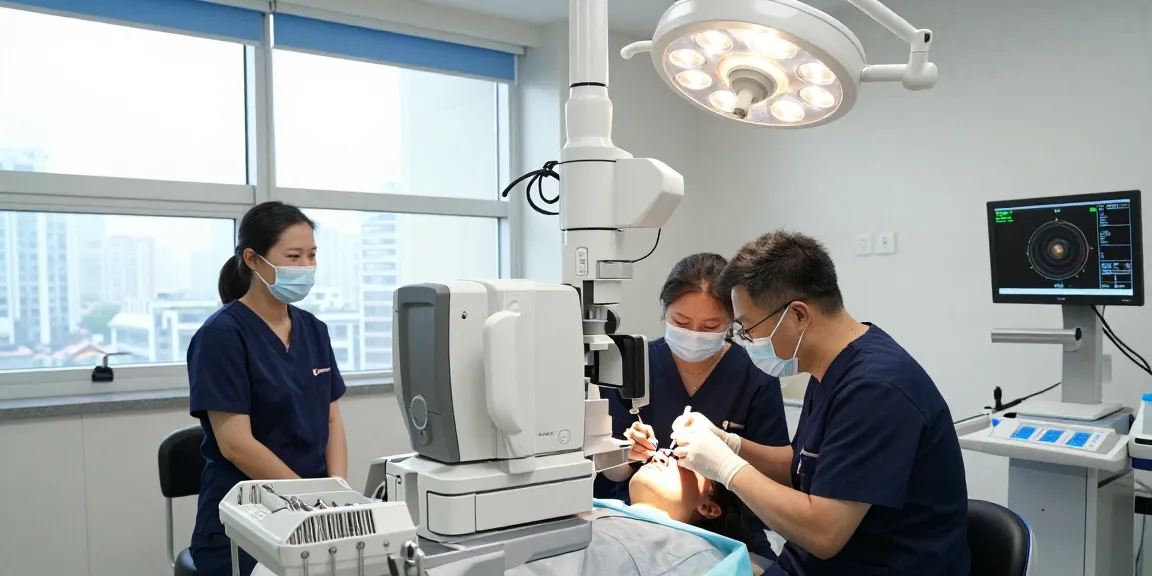
Understanding the Basics of SMILE Laser Eye Surgery
As advances in ophthalmology continue to reshape the landscape of vision correction, SMILE (Small Incision Lenticule Extraction) laser eye surgery emerges as a leading choice for individuals seeking a permanent solution to refractive errors like myopia, hyperopia, and astigmatism. This innovative procedure offers a minimally invasive alternative to traditional LASIK, combining precision and comfort, with a focus on improving patient outcomes and satisfaction. When exploring options, SMILE provides comprehensive insights into modern eye care solutions that enhance the quality of life for countless patients.
What is SMILE Laser Eye Surgery?
SMILE laser eye surgery is a cutting-edge technique that utilizes the Carl Zeiss VisuMax femtosecond laser system to correct common vision problems. This procedure is designed to treat a range of refractive errors by creating a lenticule, which is a small, lens-shaped piece of tissue, and removing it through a tiny incision of just 2-4 mm. The removal of this lenticule alters the curvature of the cornea, ultimately allowing light to focus more accurately on the retina. This precision-driven approach not only enhances visual acuity but also minimizes recovery time, making it a sought-after option among patients.
Benefits of Choosing SMILE for Vision Correction
SMILE offers numerous advantages over traditional refractive surgeries, including:
- Minimally Invasive: The small incision used in SMILE reduces the overall trauma to the eye.
- Reduced Risk of Complications: With no need for flap creation as in LASIK, the risks associated with flap dislocation or complications are significantly minimized.
- Faster Recovery: Patients often report quicker recovery times and less discomfort post-procedure.
- Suitable for a Range of Patients: SMILE is effective for treating myopia, hyperopia, and astigmatism, making it versatile for various types of vision correction.
How SMILE Differs from Traditional LASIK
While both SMILE and LASIK aim to achieve similar outcomes in terms of vision correction, there are key differences between the two procedures. LASIK involves creating a flap in the cornea to access the underlying tissue, leading to a recovery period that can involve some discomfort and potential complications. In contrast, SMILE’s technique of extracting a lenticule through a small incision eliminates the need for flap creation, thereby enhancing safety and reducing the risk of complications. This not only makes SMILE a preferred choice for many but also highlights its innovative approach in the realm of eye surgery.
Who is a Good Candidate for SMILE Laser Eye Surgery?
Identifying suitable candidates for the SMILE procedure is crucial for ensuring the best possible outcomes. Generally, individuals aged 18 and above who have a stable prescription for at least one year are considered potential candidates. However, a detailed pre-operative examination by a qualified ophthalmologist is essential to determine individual eligibility.
Eligibility Criteria for SMILE
To qualify for SMILE surgery, candidates should meet the following criteria:
- Age: Candidates must be 18 years or older.
- Stable Vision: A stable refractive prescription for at least one year.
- Corneal Thickness: Sufficient corneal thickness to accommodate the lenticule removal.
- Absence of Eye Conditions: The absence of significant eye diseases, such as glaucoma or cataracts.
Common Myths and Misconceptions about SMILE
Despite its growing popularity, several myths surrounding SMILE persist, creating apprehension among potential candidates. It is essential to debunk these myths for informed decision-making:
- Myth 1: SMILE is not effective for high prescriptions.
- Myth 2: All patients experience complications after SMILE.
- Myth 3: You cannot undergo SMILE if you wear contacts.
Consultation: What to Expect During Your Initial Visit
An initial consultation is critical in assessing your candidacy for SMILE. During this visit, the ophthalmologist will conduct comprehensive eye examinations, evaluate your overall eye health, and discuss your specific vision correction needs. This personalized approach ensures that each candidate receives tailored information and guidance regarding the procedure.
Preparing for Your SMILE Procedure
Proper preparation for any surgical procedure, including SMILE, is vital for a successful outcome. Ensuring that you are well-prepared can make a significant difference in your experience and recovery.
Essential Pre-Surgery Checklists
Before your SMILE surgery, consider the following checklist:
- Stop wearing contact lenses: Discontinue the use of contact lenses at least two weeks before your surgery to allow your corneas to return to their natural shape.
- Discuss medications: Inform your surgeon about any medications or supplements you are taking.
- Arrange transportation: Have someone available to drive you home post-procedure.
How to Care for Your Eyes Before the Surgery
Pre-operative eye care is essential for optimizing surgical conditions. Keep your eyes hydrated, avoid eye makeup on the day of surgery, and follow your eye surgeon’s preparatory guidelines to ensure a smooth process.
Understanding the Procedure Steps for SMILE
The SMILE procedure typically follows these steps:
- Disinfection: The eye is cleaned to remove any impurities.
- Creating the Lenticule: The laser creates a lenticule within the cornea.
- Making the Incision: A small incision is made to access the lenticule.
- Extraction: The lenticule is removed, reshaping the cornea.
Post-Operative Care after SMILE Surgery
Post-operative care is critical for ensuring optimal recovery and long-term success following SMILE surgery. Understanding what to expect can help alleviate anxiety and promote a smoother healing process.
Immediate Care and Recovery Tips
After your procedure, follow these tips to aid recovery:
- Rest your eyes: Reduce screen time and do not engage in strenuous activities for a few days.
- Use prescribed eye drops: To prevent dryness and promote healing, adhere to the eye drop regimen provided by your surgeon.
- Avoid touching your eyes: This will help prevent infection and irritation.
Long-Term Eye Care Following SMILE
Long-term care includes regular follow-up visits with your eye doctor to monitor vision stability and eye health. Continue to practice good eye care, including protection from UV light and maintaining a healthy lifestyle.
Common Risks and How to Mitigate Them
Although SMILE is associated with low risks, potential complications can occur. Common risks include:
- Dry Eyes: Temporary dryness can occur, which may require artificial tears for relief.
- Visual Disturbances: Patients might experience fluctuations in vision post-surgery.
- Cataracts: Increased risk of cataracts over time in some patients.
To mitigate these risks, ensure you have thorough pre-operative evaluations and adhere to post-operative care instructions.
Future Trends in SMILE Laser Eye Surgery for 2026
The future of SMILE laser eye surgery is promising, with innovations expected to reshape patient care and improve outcomes significantly.
Emerging Technologies and Innovations in Eye Surgery
As technology advances, new techniques and equipment enhancements emerge to refine the SMILE procedure. This includes improvements in laser technology, which enhance precision, reduce recovery times, and expand the range of treatable prescriptions.
Patient Satisfaction Trends and Statistics
Ongoing studies will continue to reveal insights into patient satisfaction rates, which are generally high for SMILE due to quick recovery times and improved visual outcomes. Tracking these trends helps refine patient education and care practices.
Predicted Changes in the Eye Care Industry
As demand for minimally invasive procedures continues to grow, more eye care centers are likely to adopt the SMILE technique, offering it as a standard option for vision correction. This shift is accompanied by increased emphasis on personalized patient care and technology integration.
What are the costs associated with SMILE?
The cost of SMILE surgery can vary based on individual prescriptions and specific eye care center fees. It is advisable to schedule consultations to receive accurate estimates tailored to your needs.
Is SMILE suitable for astigmatism?
Yes, SMILE is effective in treating astigmatism in addition to myopia and hyperopia, making it a versatile option for various refractive errors.
What should I consider when choosing an eye care center?
Select an eye care center with a solid reputation, experienced staff, and modern technology. Reading patient reviews and seeking consultations can guide your choice.
How long does recovery from SMILE typically take?
Most patients notice improvements in vision within a few days of surgery, with complete stabilization typically occurring within a month. Variability exists based on individual circumstances.
Are there any age restrictions for SMILE surgery?
Candidates should generally be 18 years or older; however, specific age-related eye conditions may affect eligibility. Consulting with a qualified ophthalmologist is crucial for determining the best timeframe for surgery.